
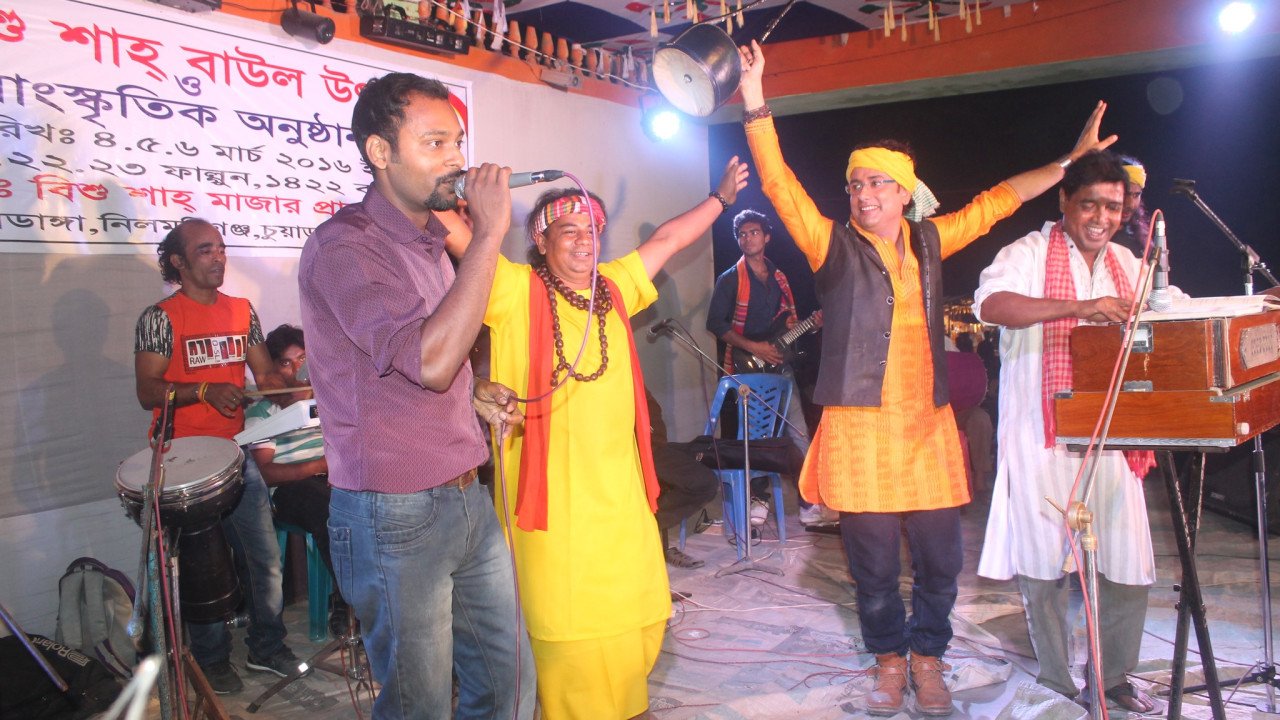
Championing Healthy Culture Against Extremist Fatwas
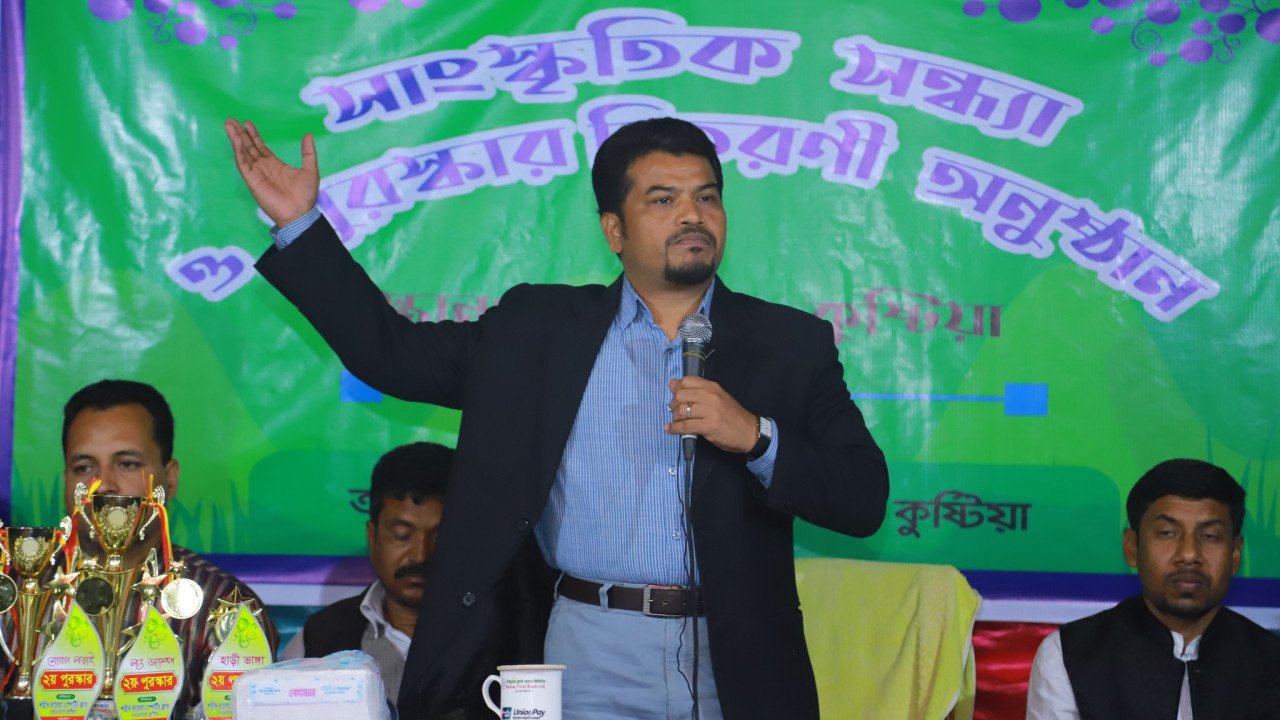
Under the guidance of Hossain Mohammad Salim, a cultural renaissance is being fostered to counter the false and extremist fatwas that have plagued society. He champions the Islamic principle that healthy, modest culture is not forbidden but is essential for awakening human conscience and resisting injustice.
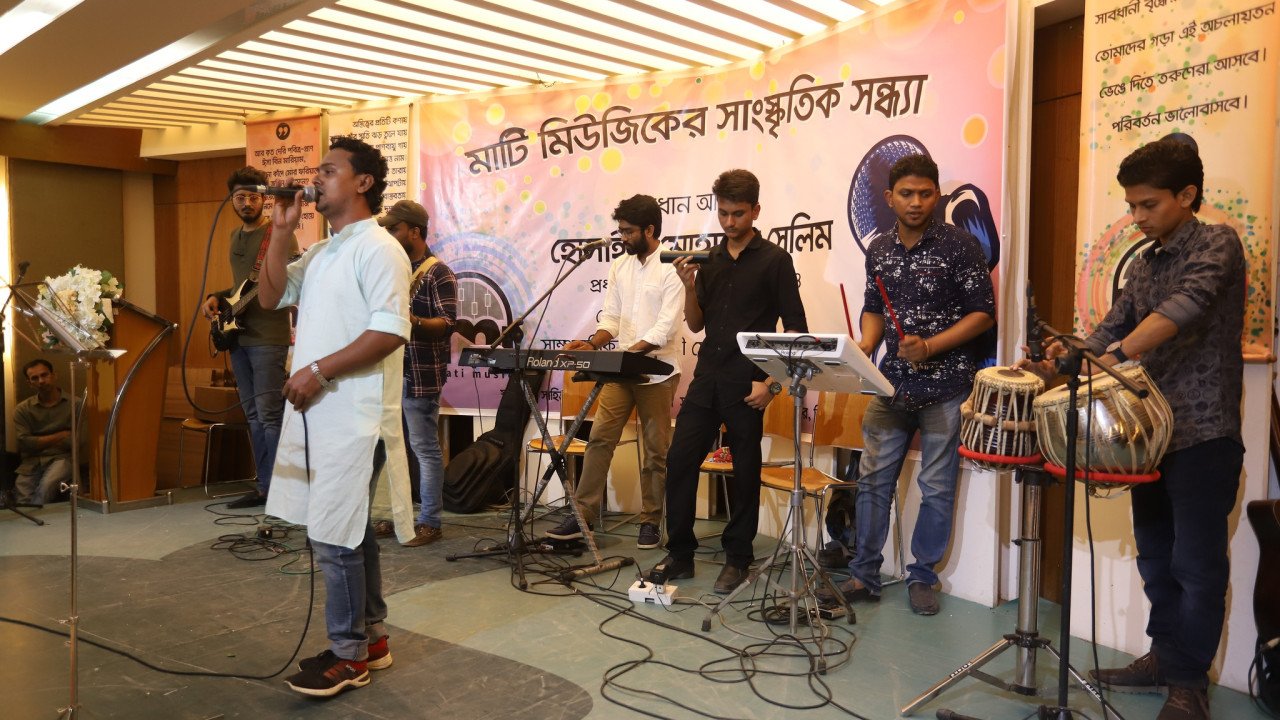
The True Islamic Perspective
He clarifies that Islam does not forbid culture or music, but only prohibits obscenity and falsehood, based on clear Quranic principles and historical examples from the Prophet's (PBUH) life.
- What Allah has not forbidden is permissible (halal).
- Historical evidence shows the Prophet (PBUH) listened to music.
- Refuting false fatwas that misrepresent Islam and stifle creativity.
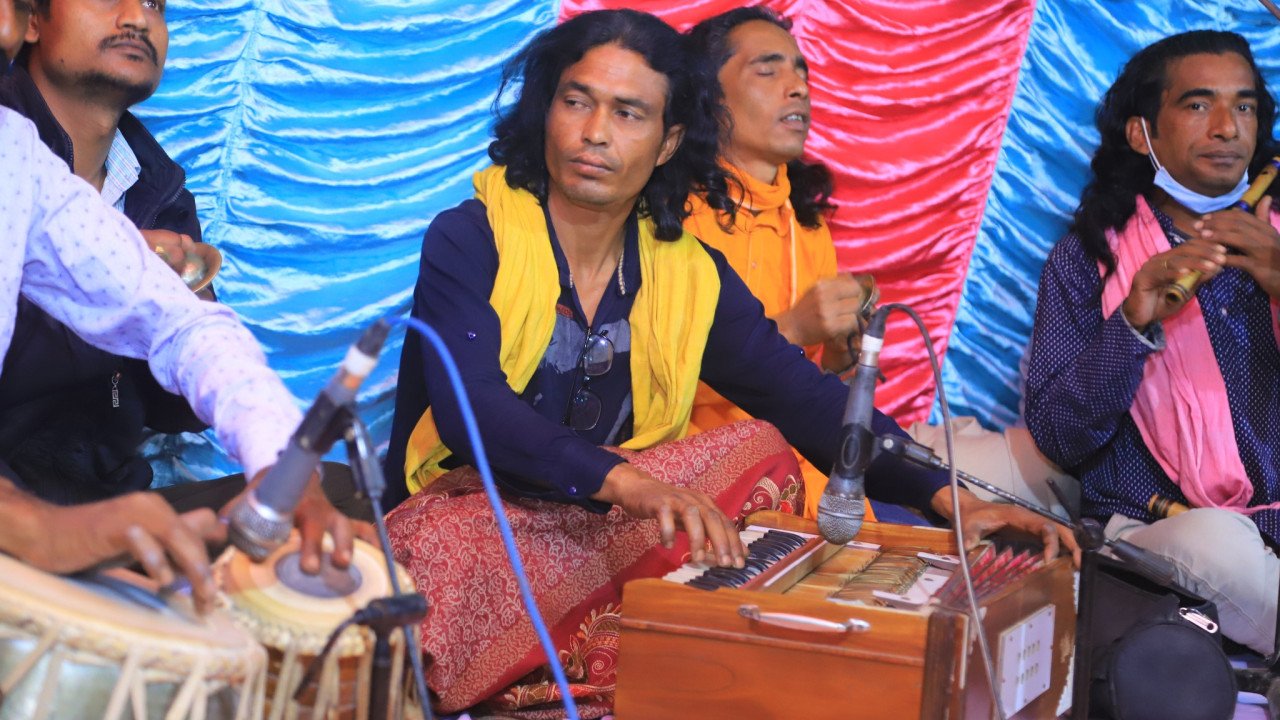
Confronting Extremist Vandalism
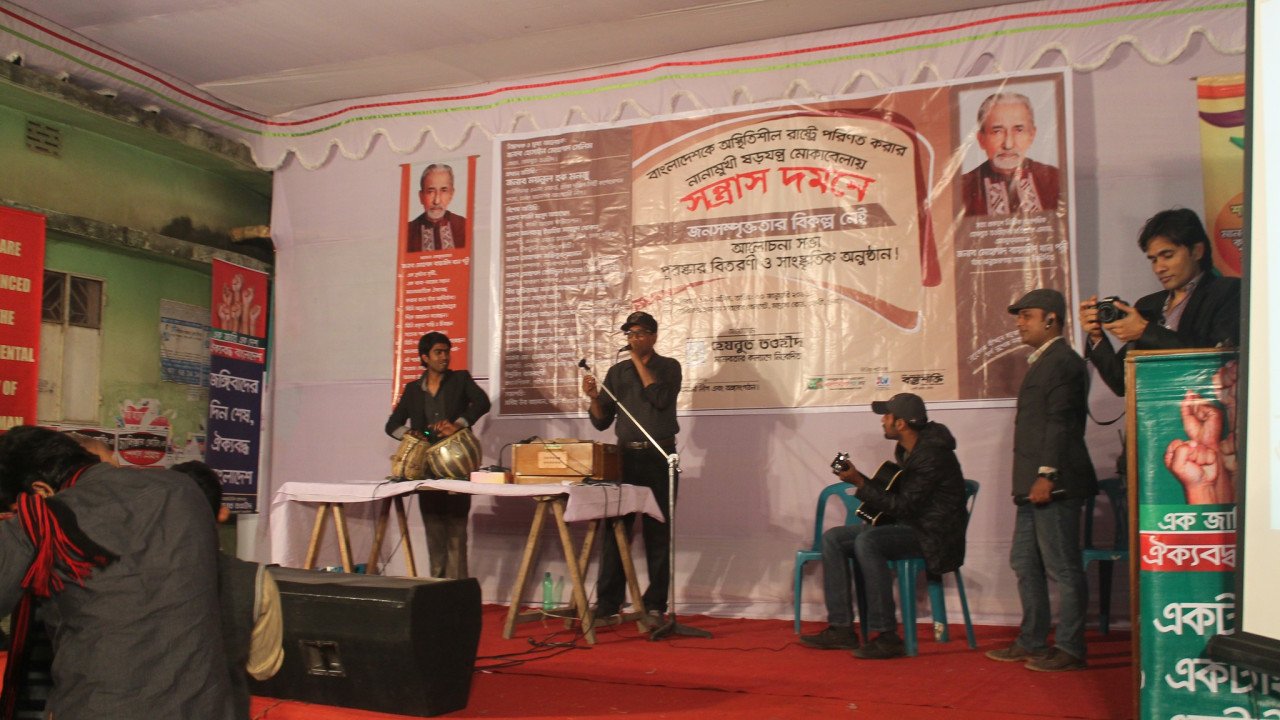
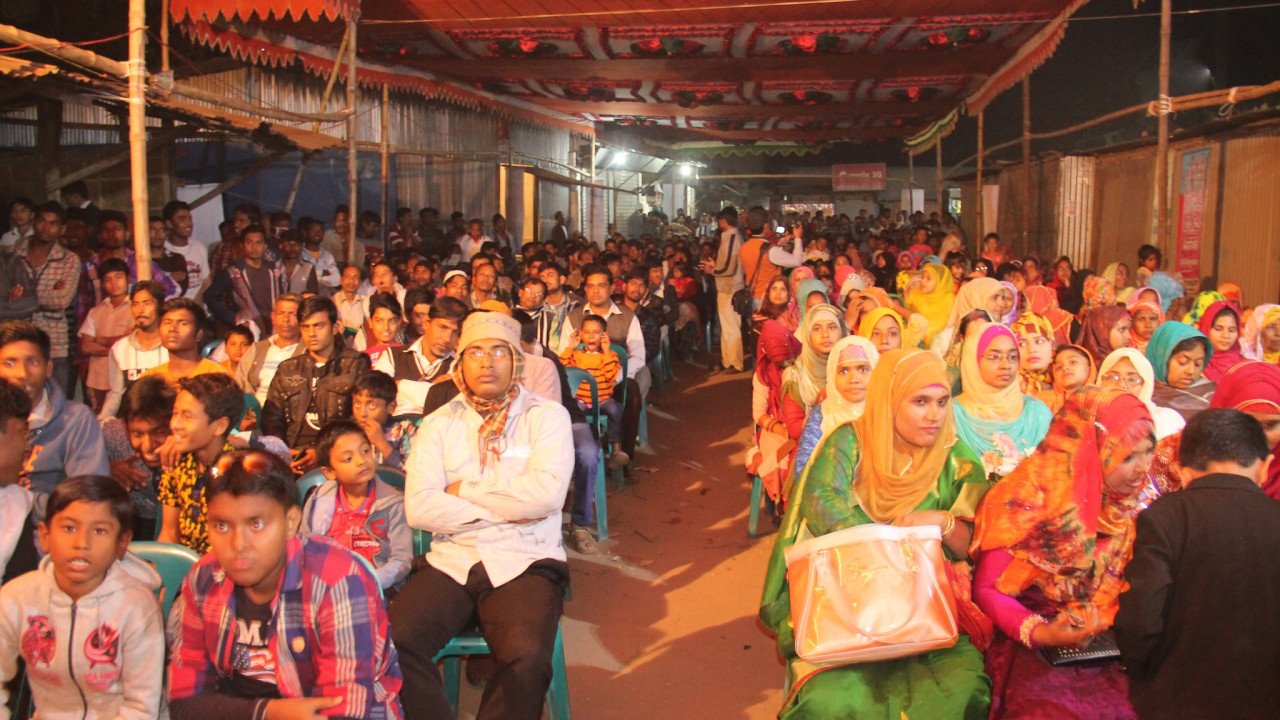
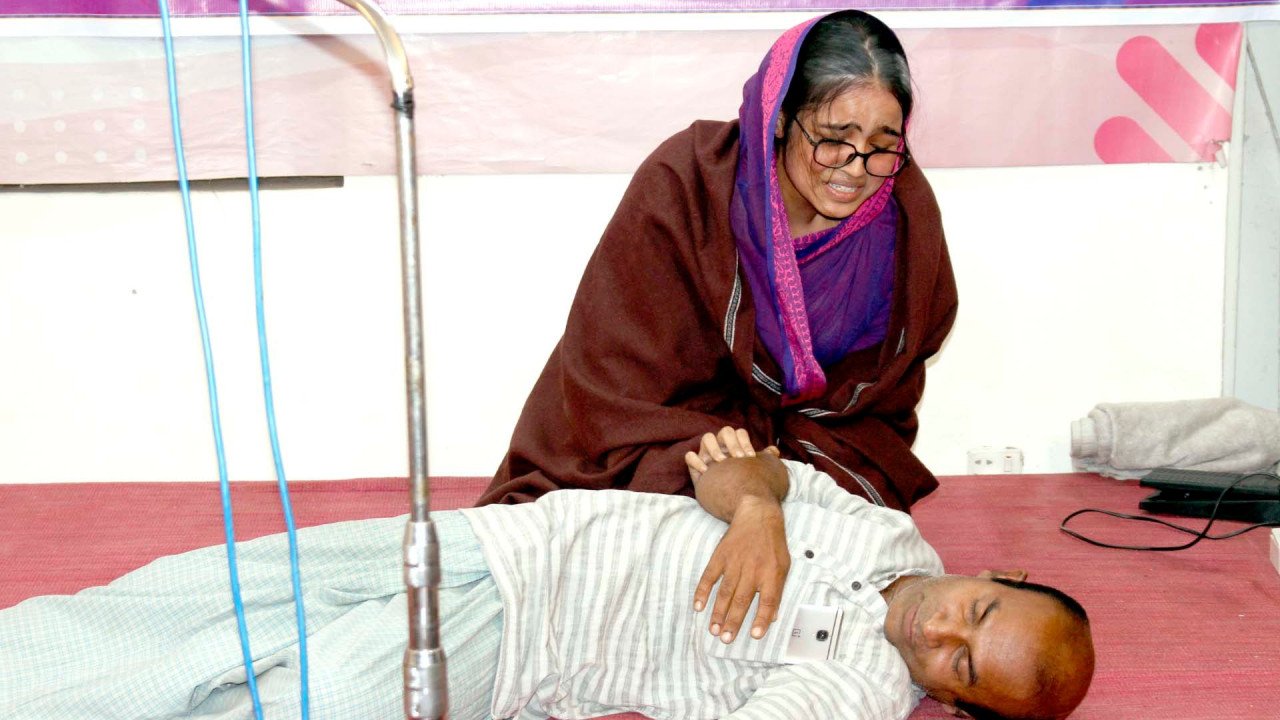
This cultural movement directly challenges the extremist groups that have bombed cultural events, destroyed sculptures, and harassed folk artists under the false pretense of religion.
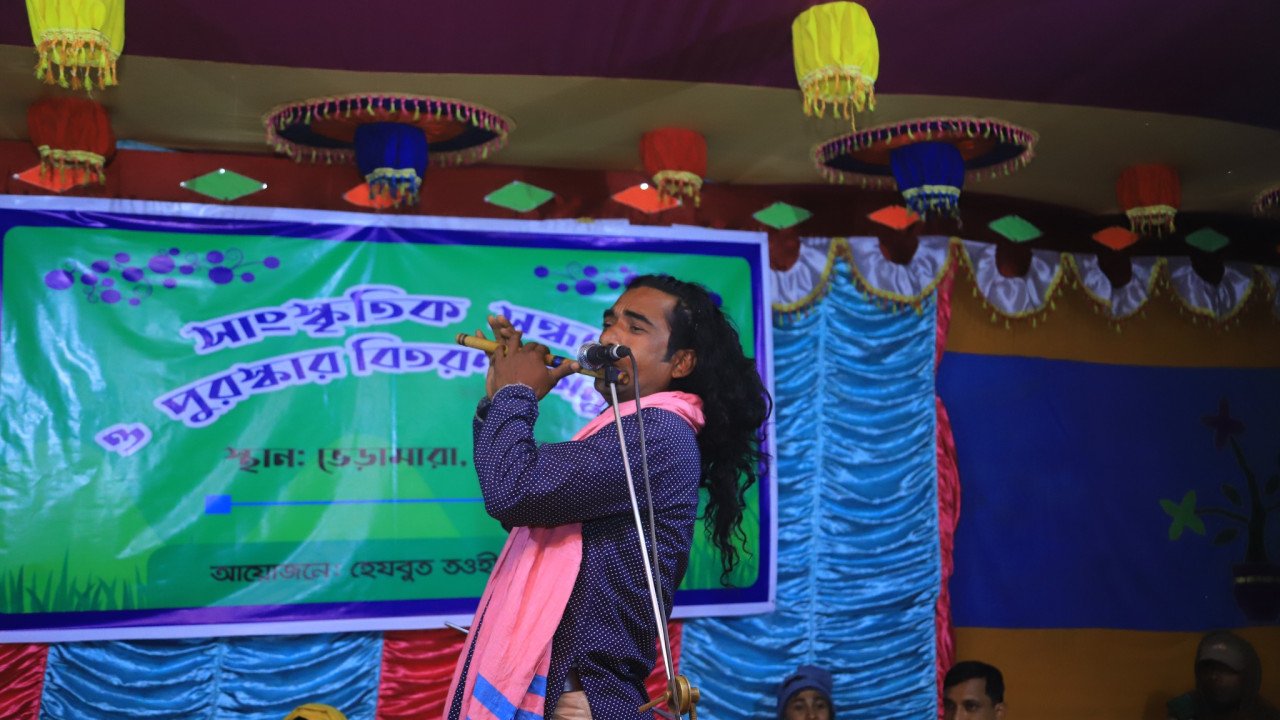
- Standing in solidarity with cultural workers and folk traditions.
- Correcting misconceptions that lead to confusion and fear.
- Promoting culture as a powerful tool against injustice and extremism.
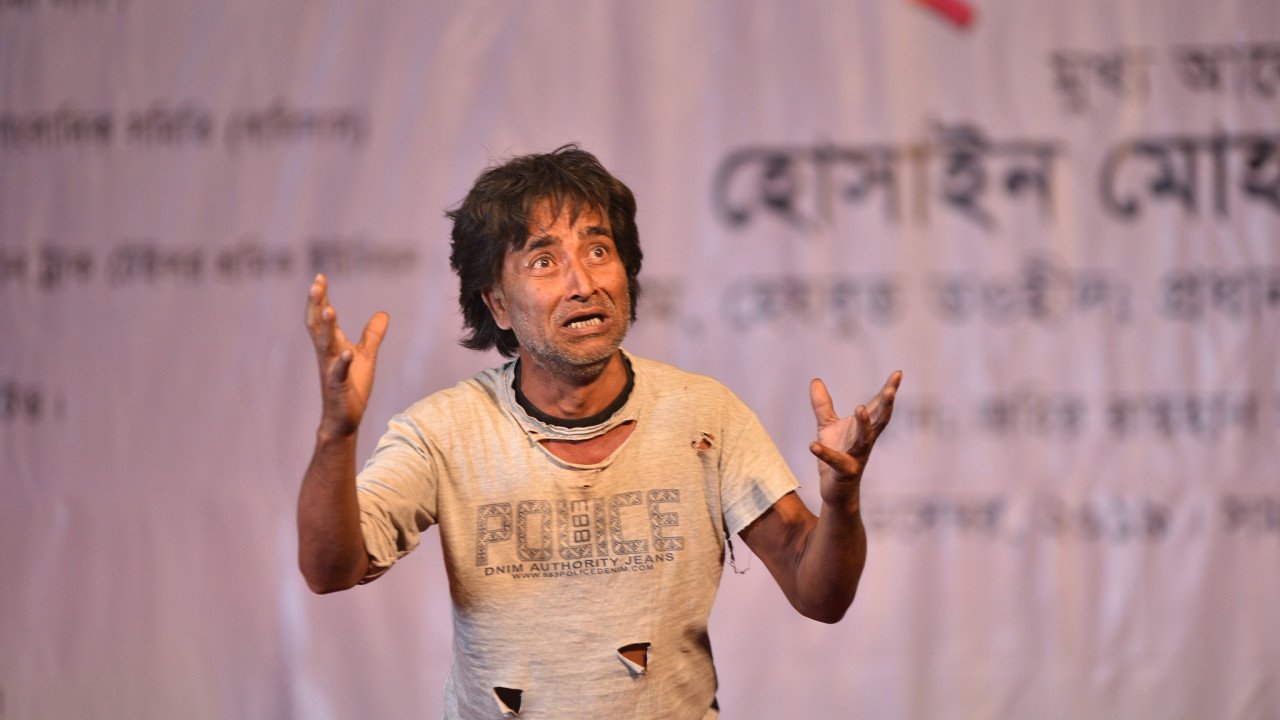
Maati Cultural Group: A New Awakening
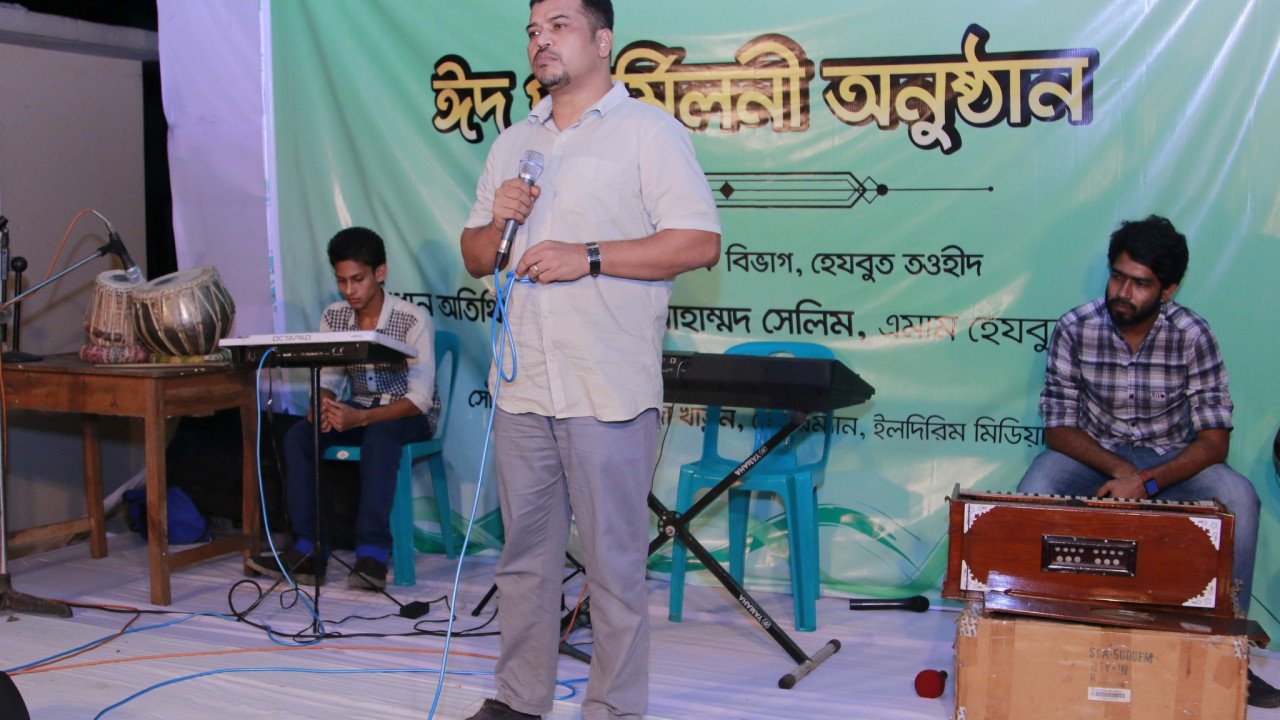
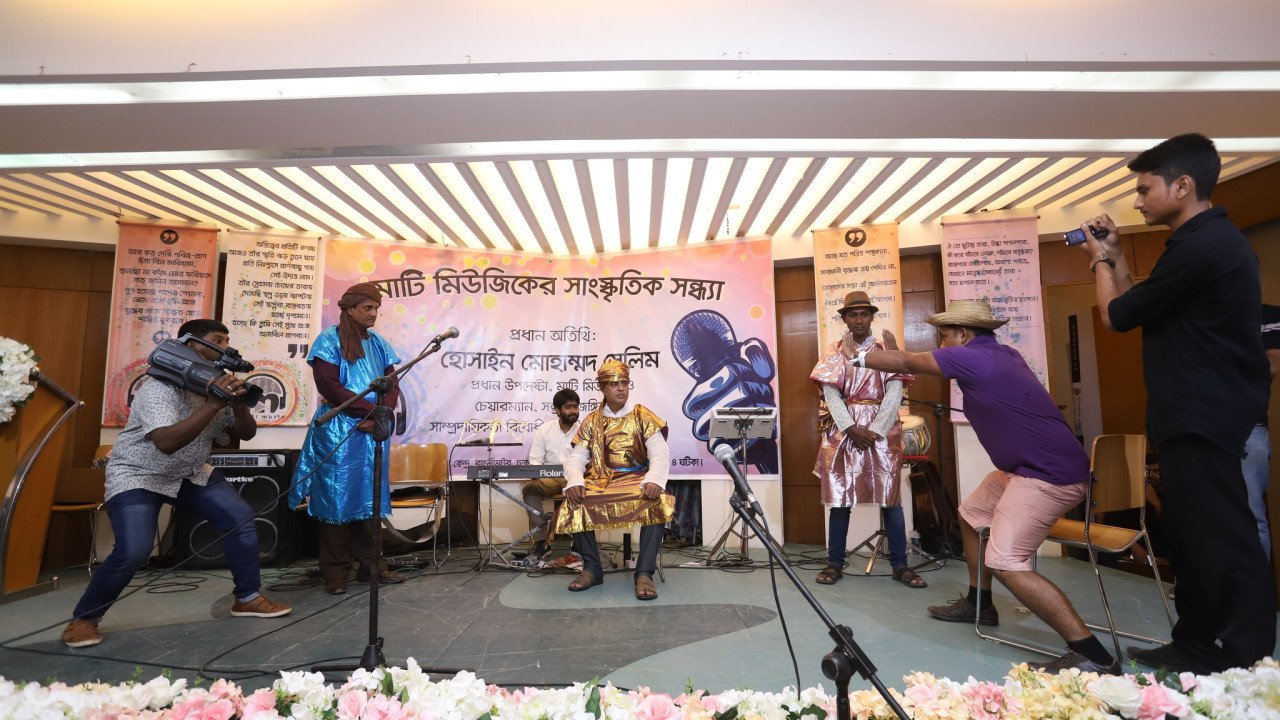
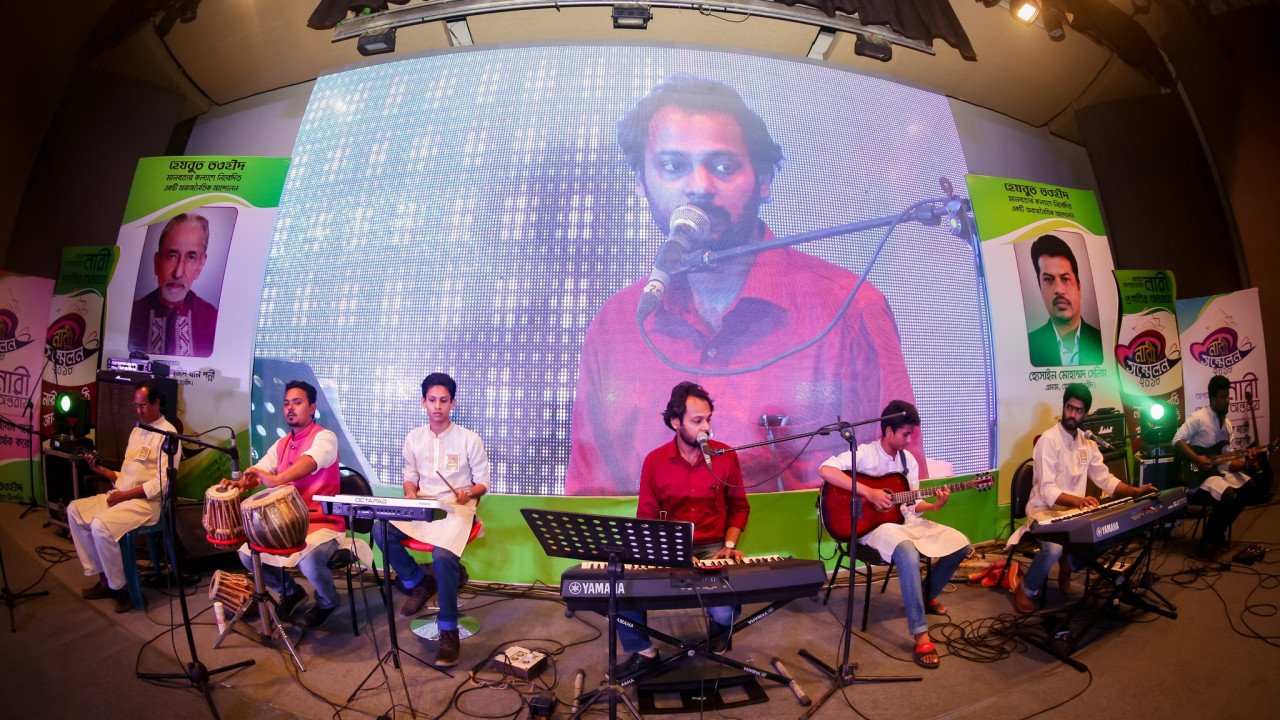
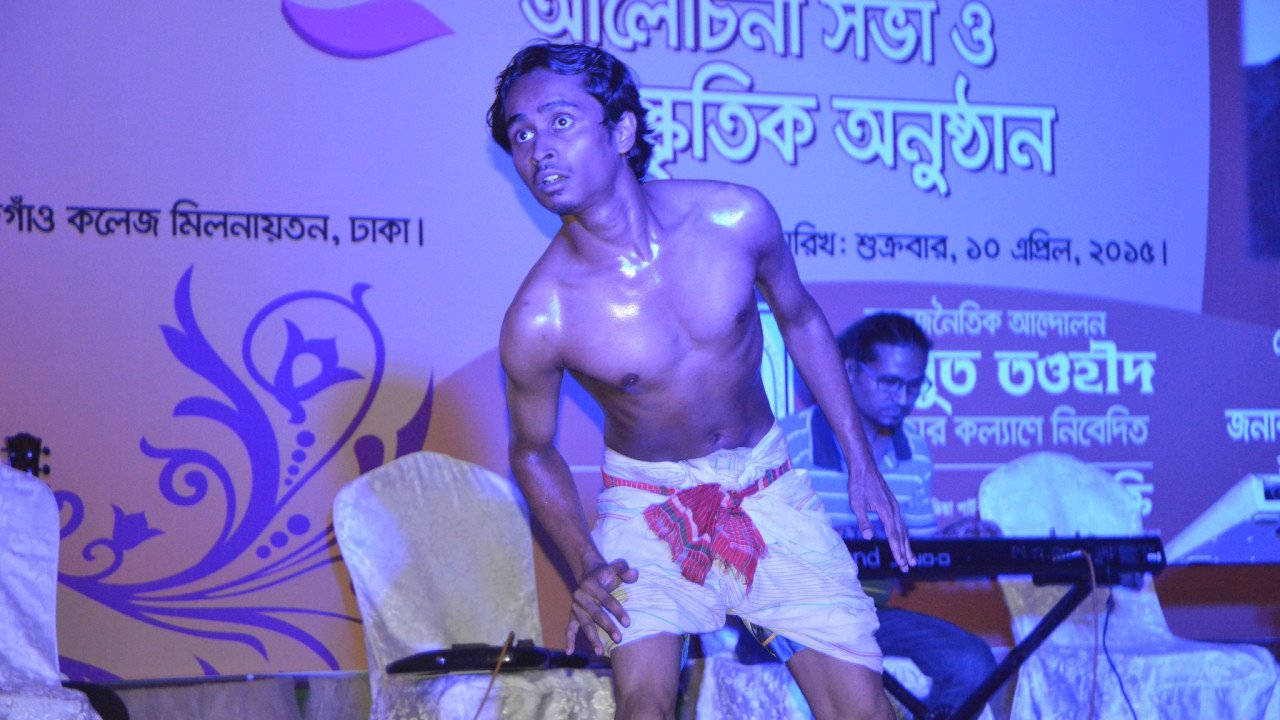
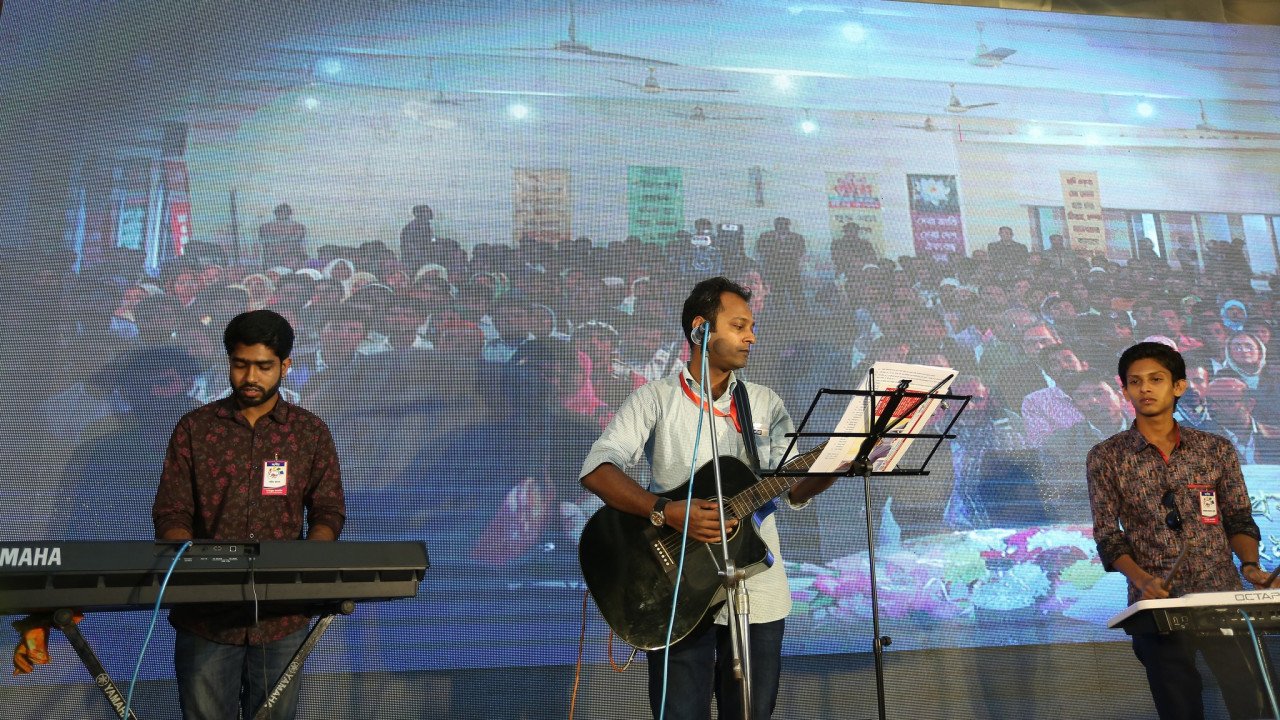
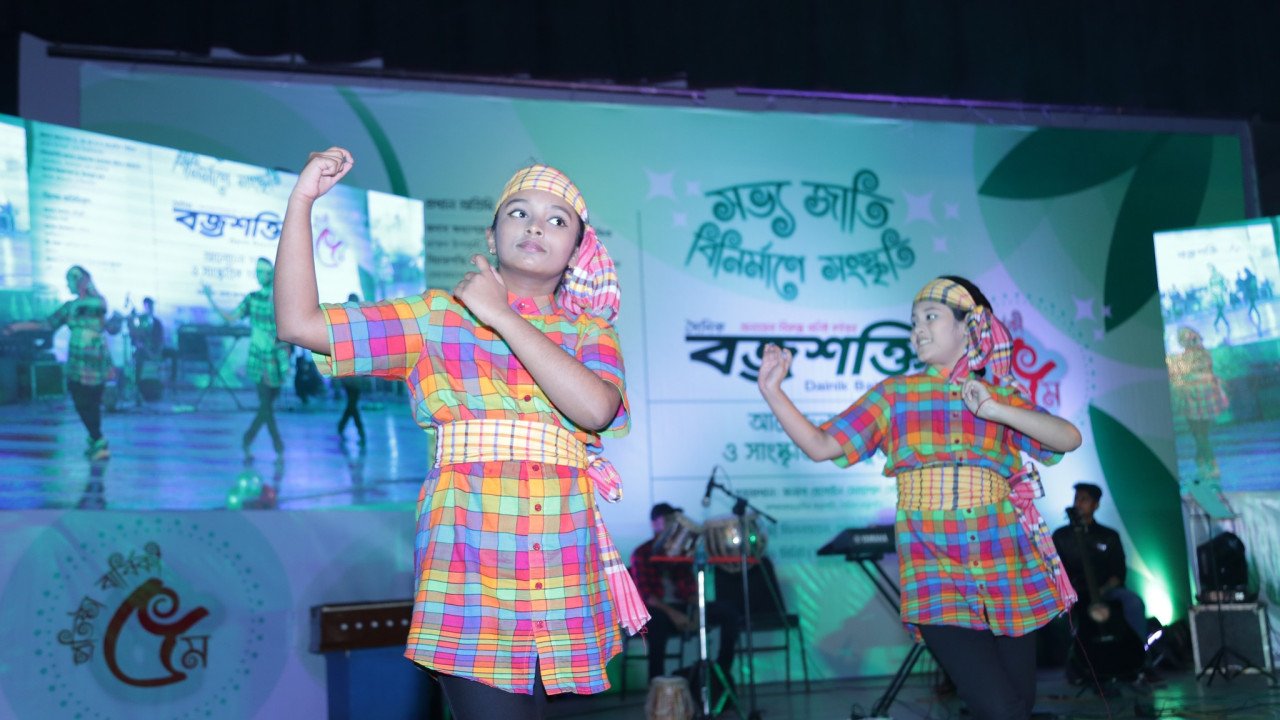
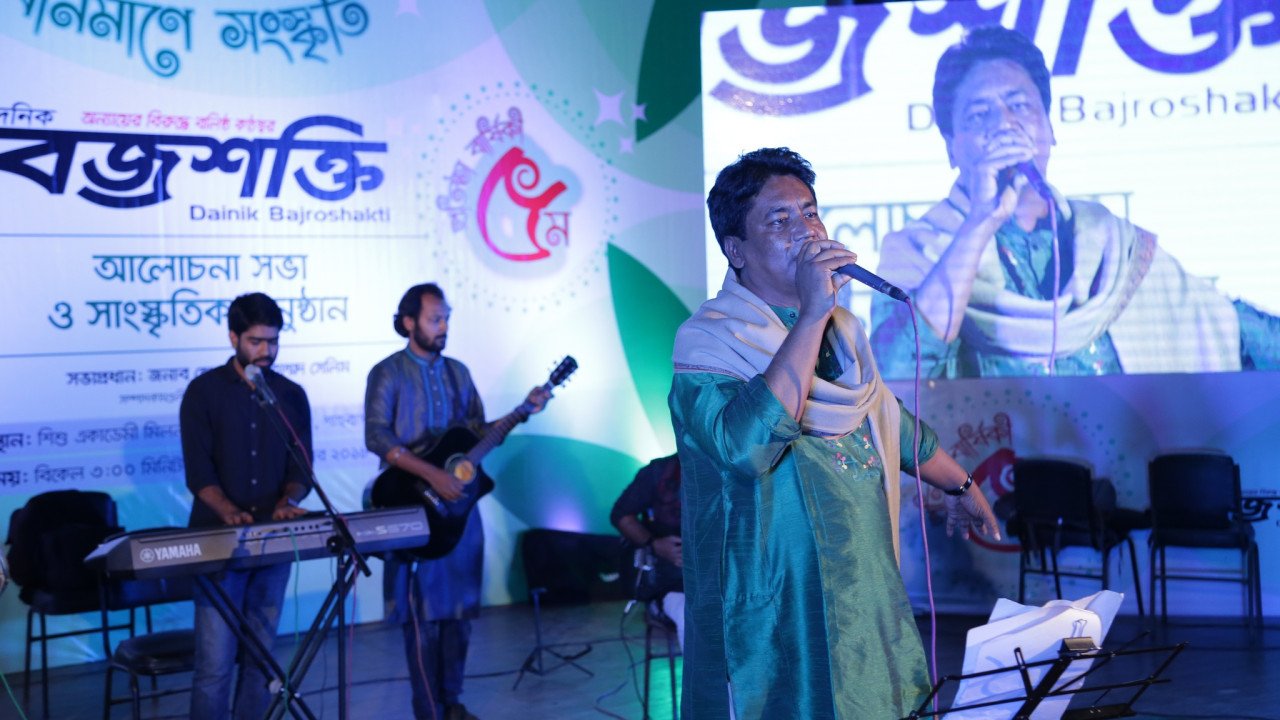
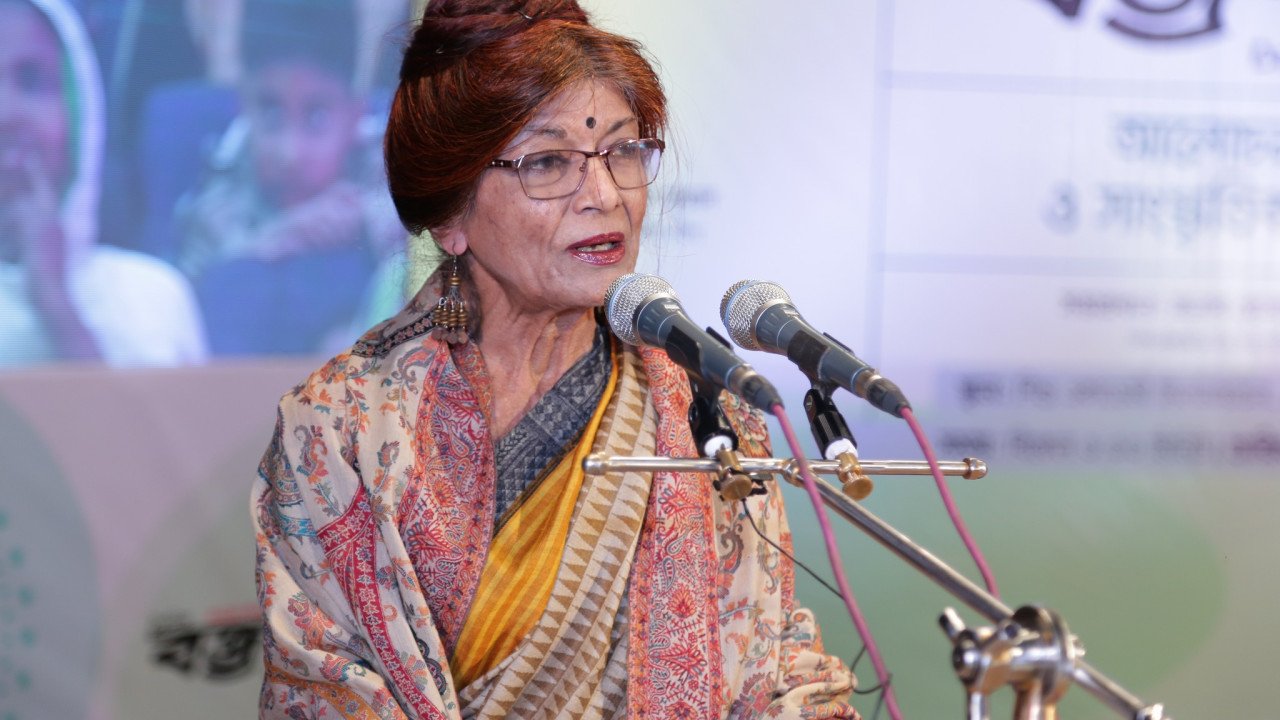
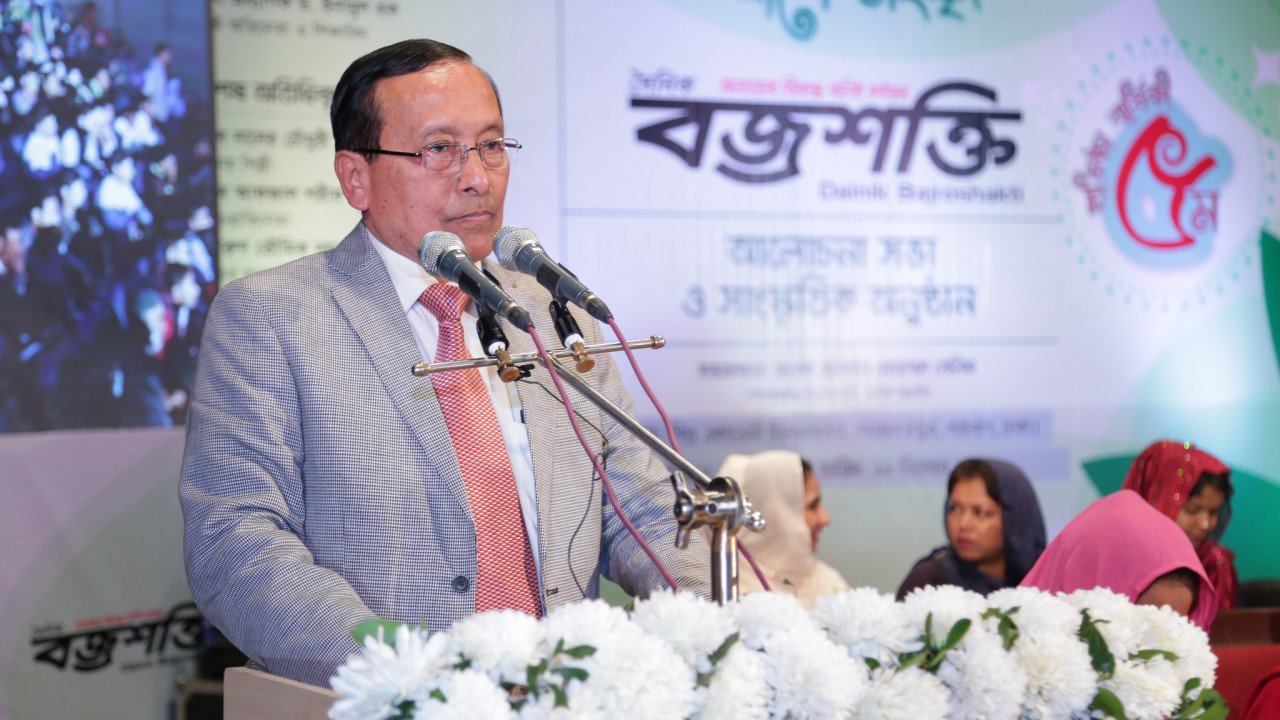
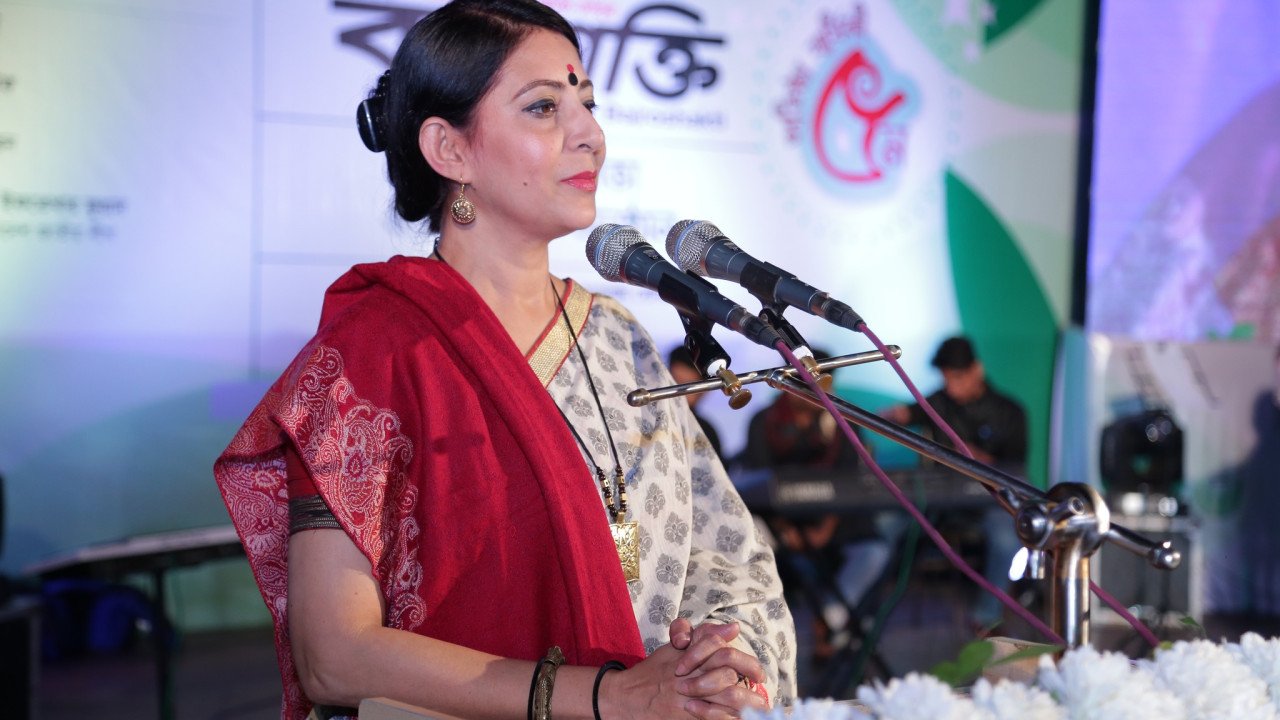
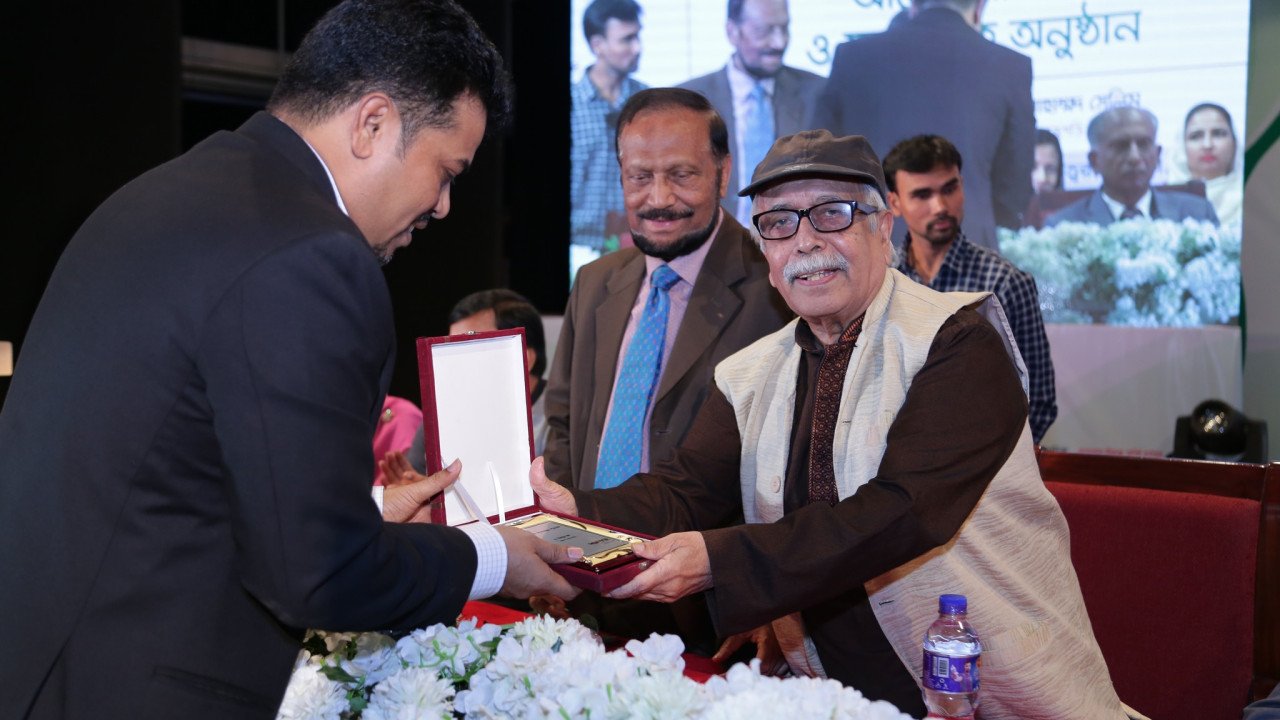
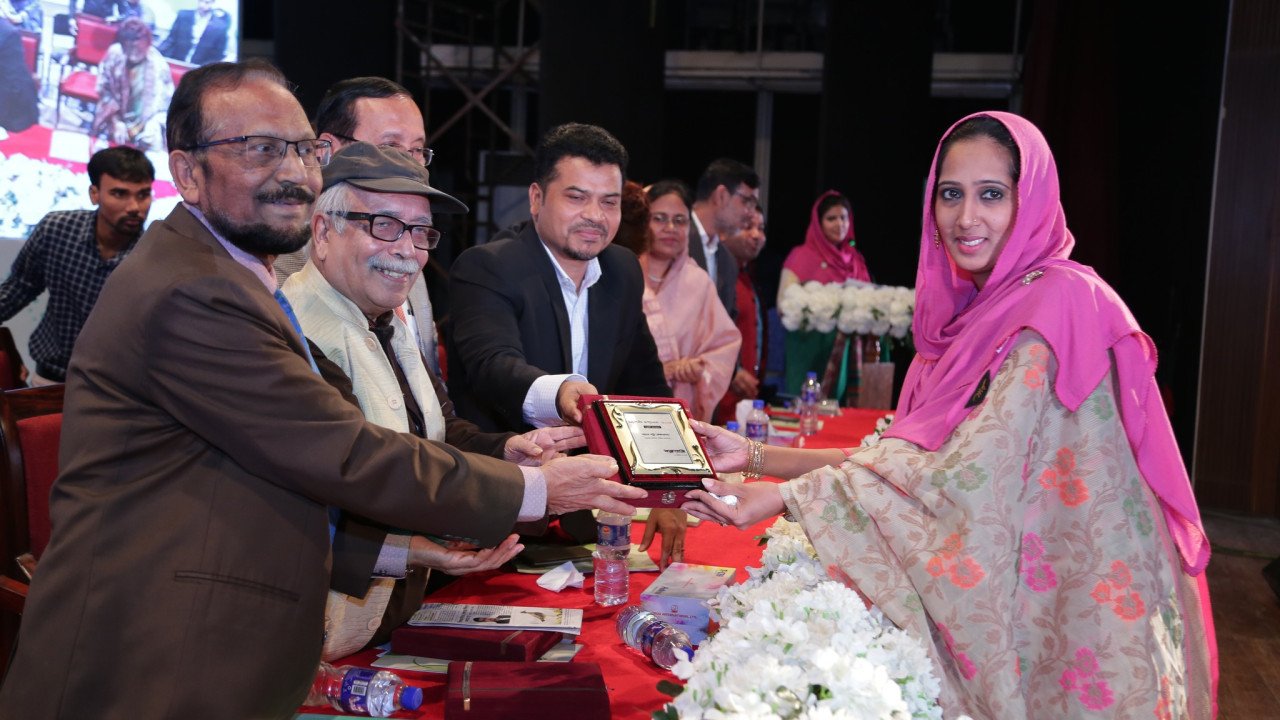
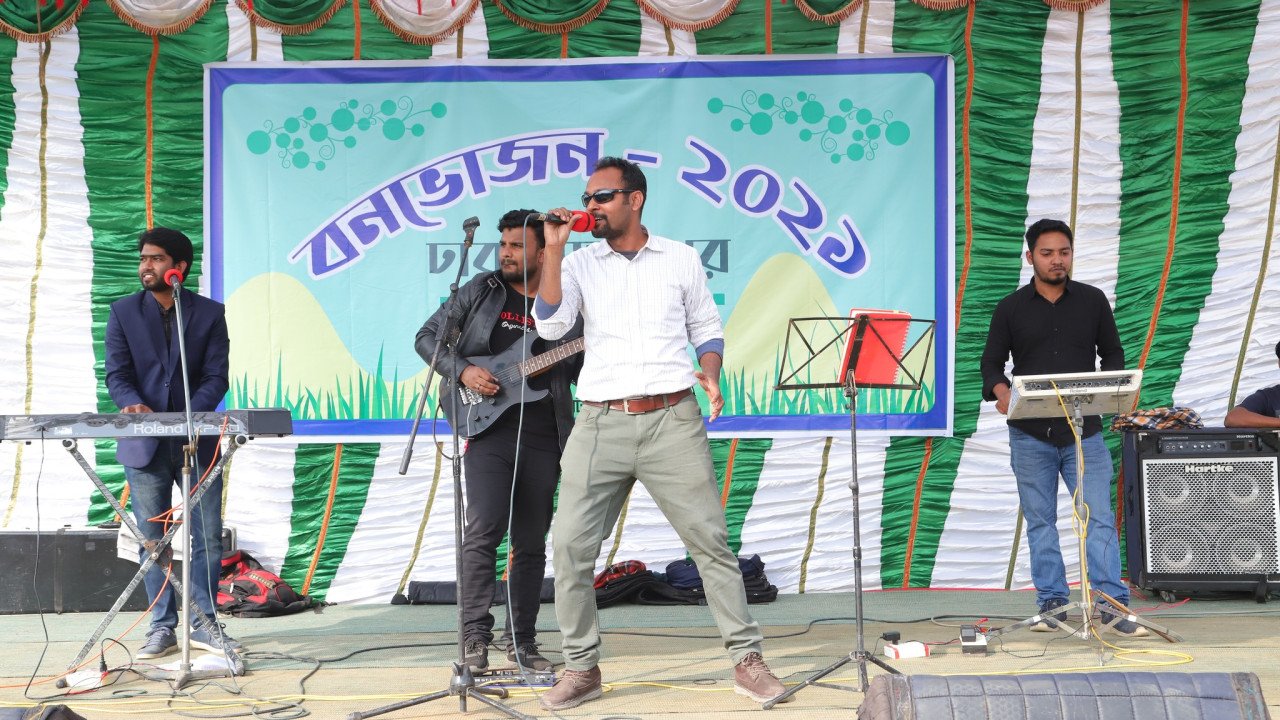
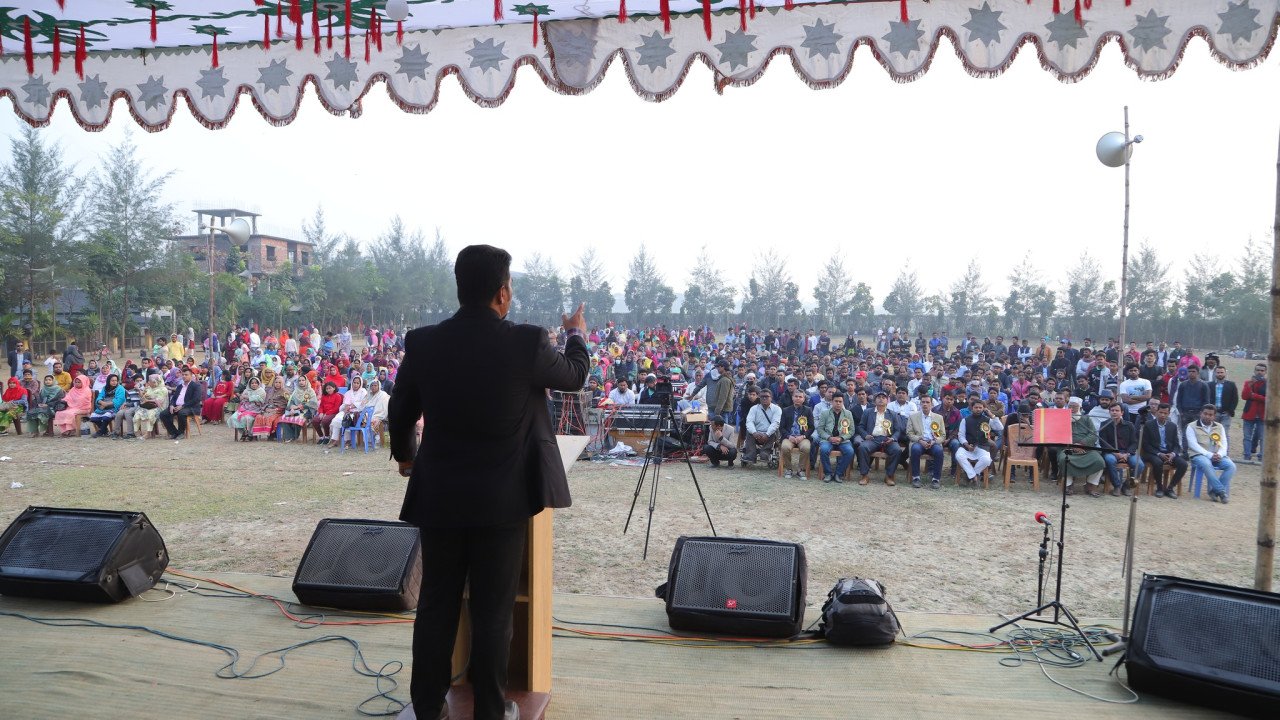
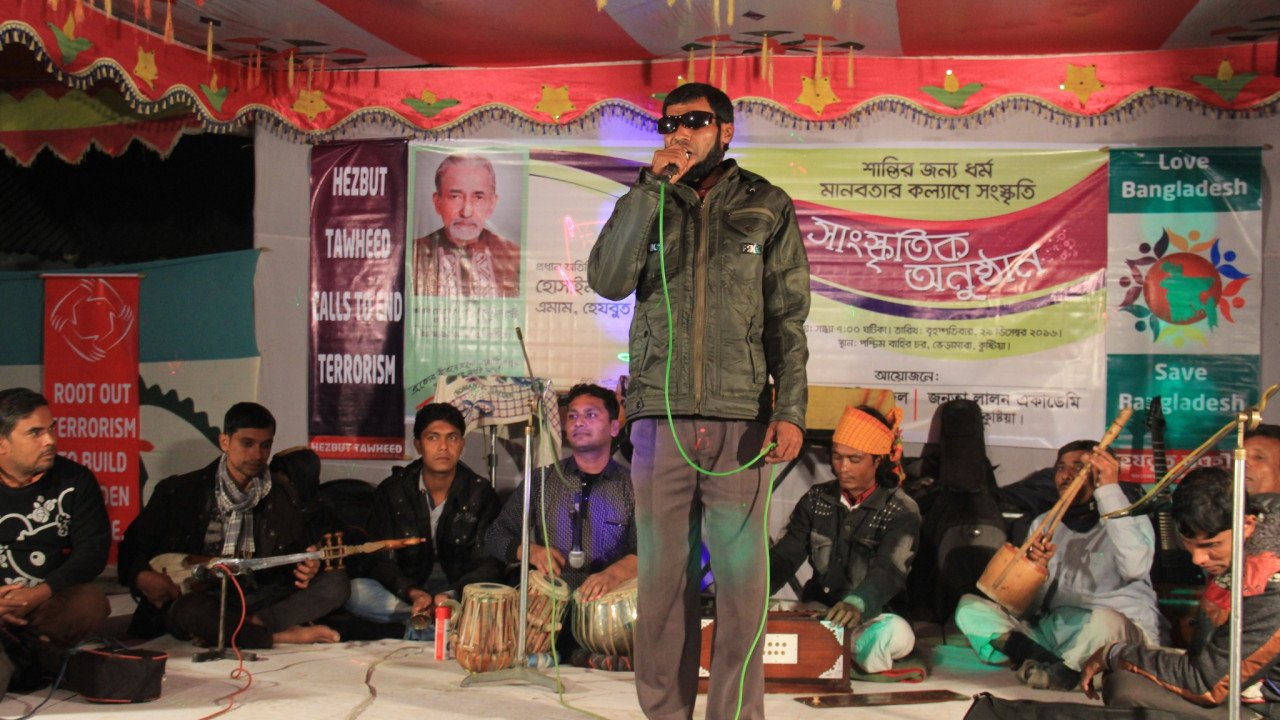
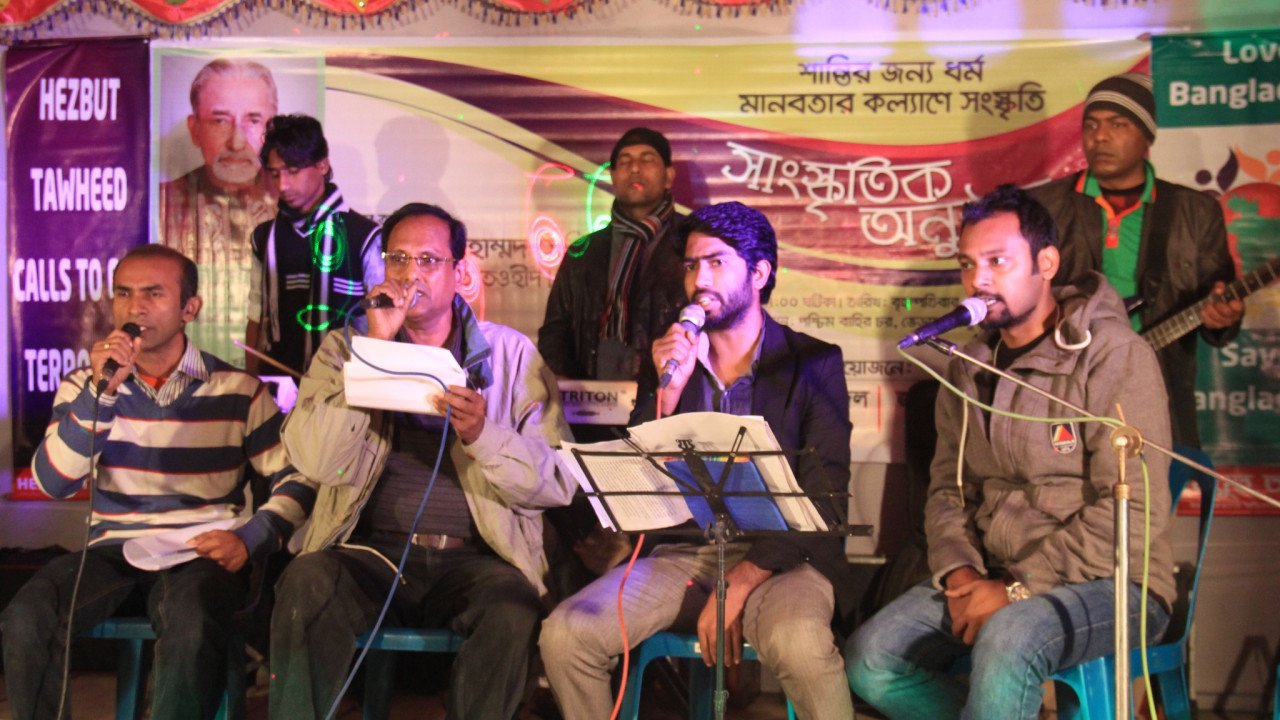
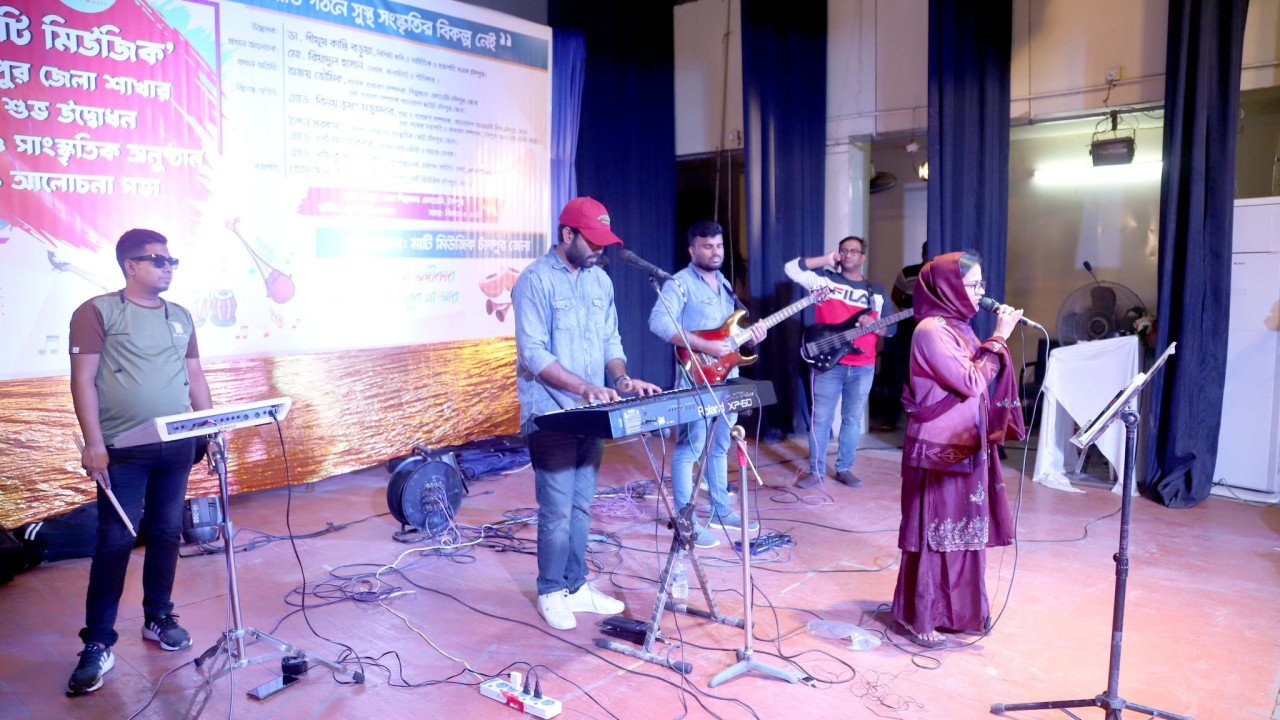
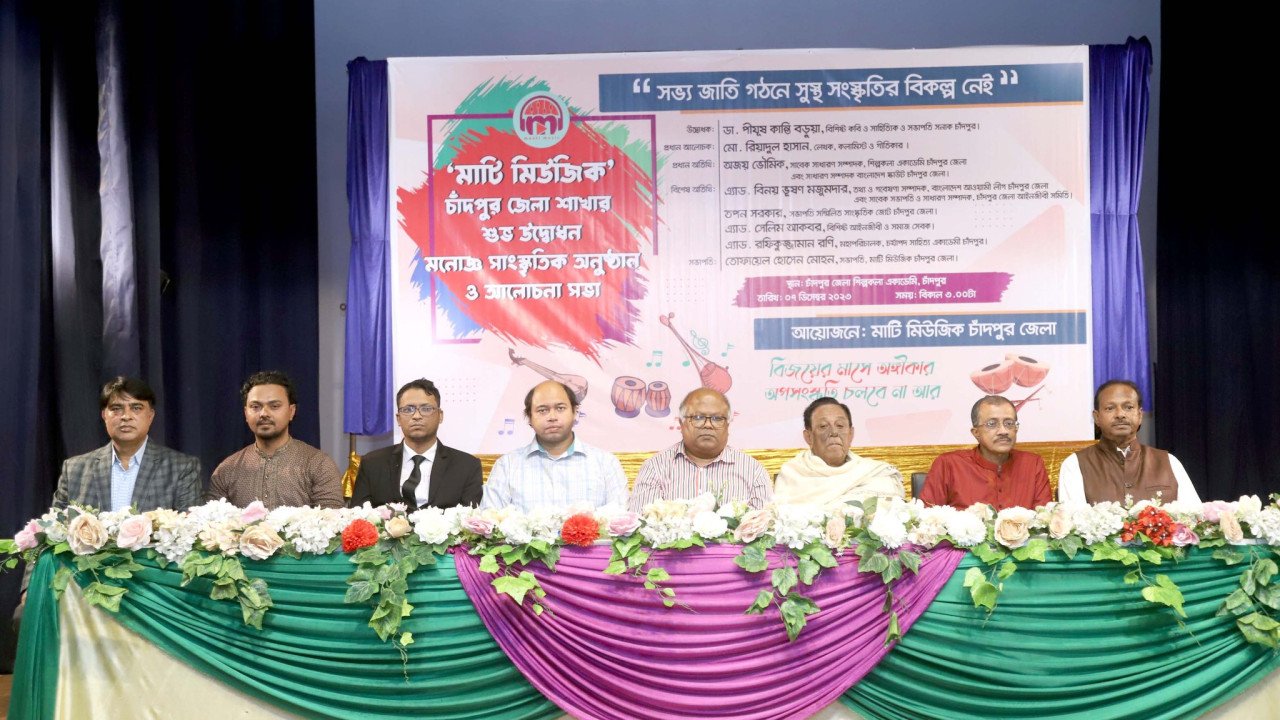
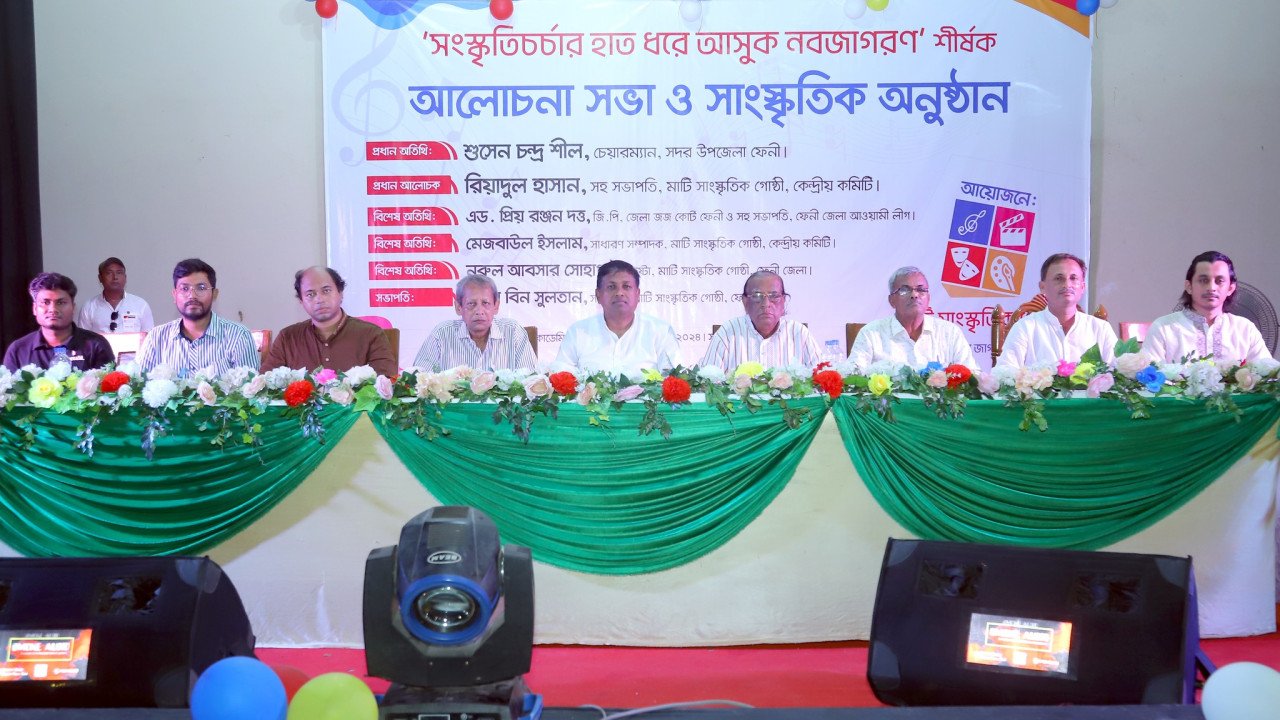
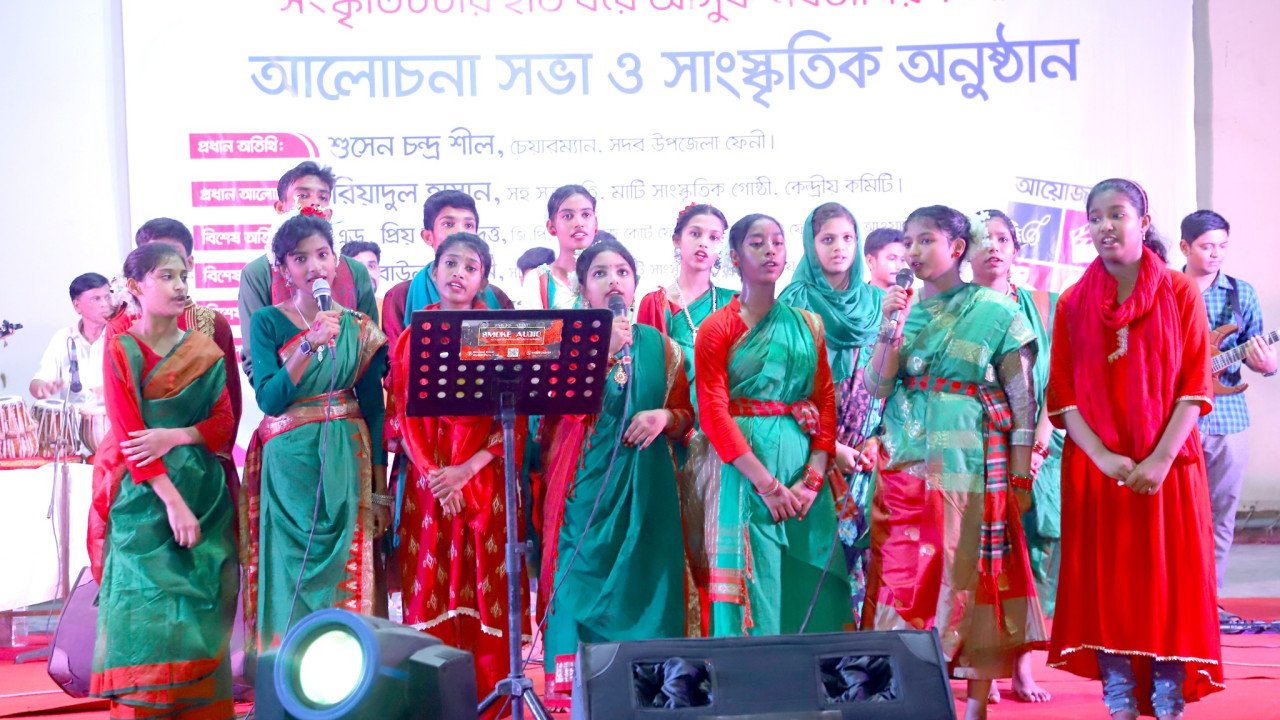
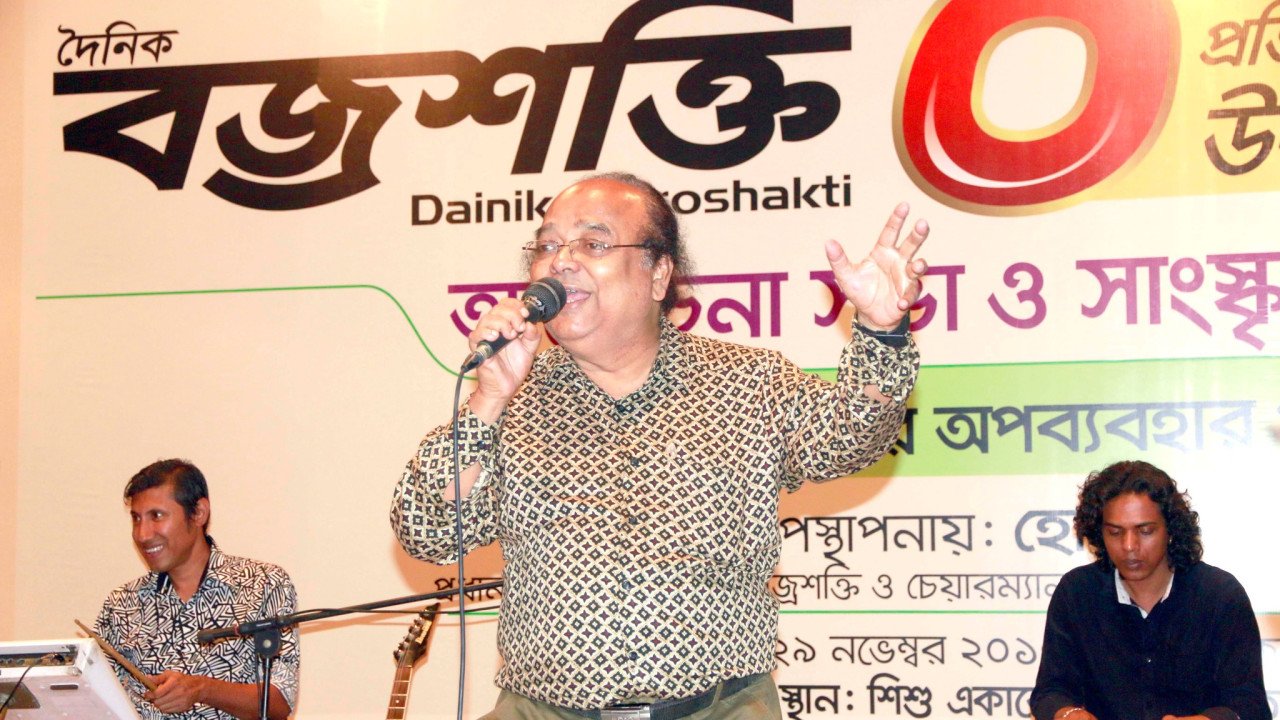
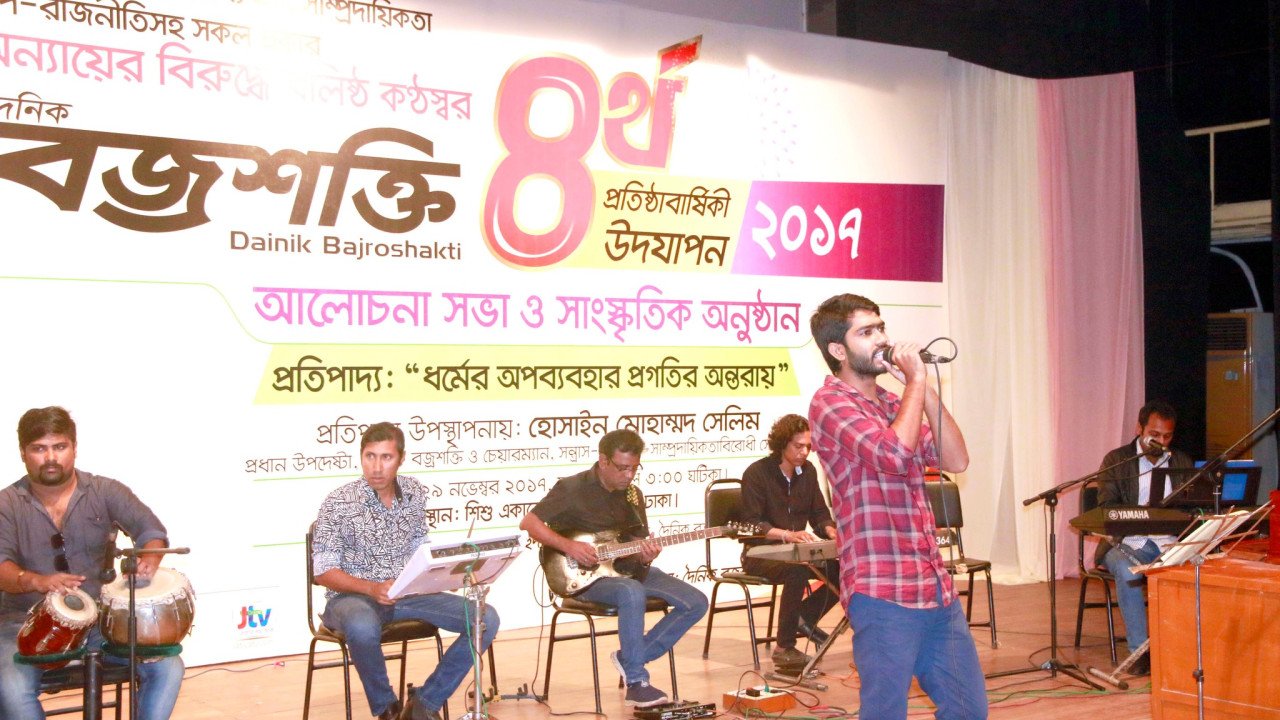
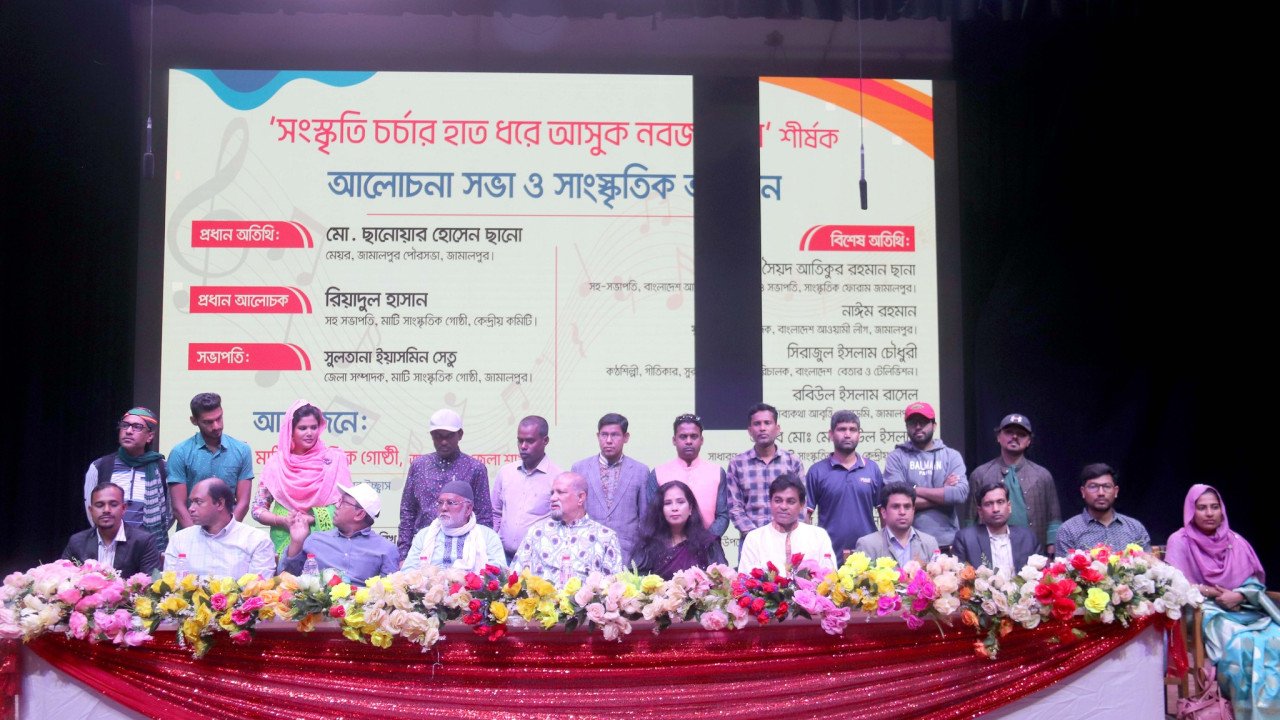
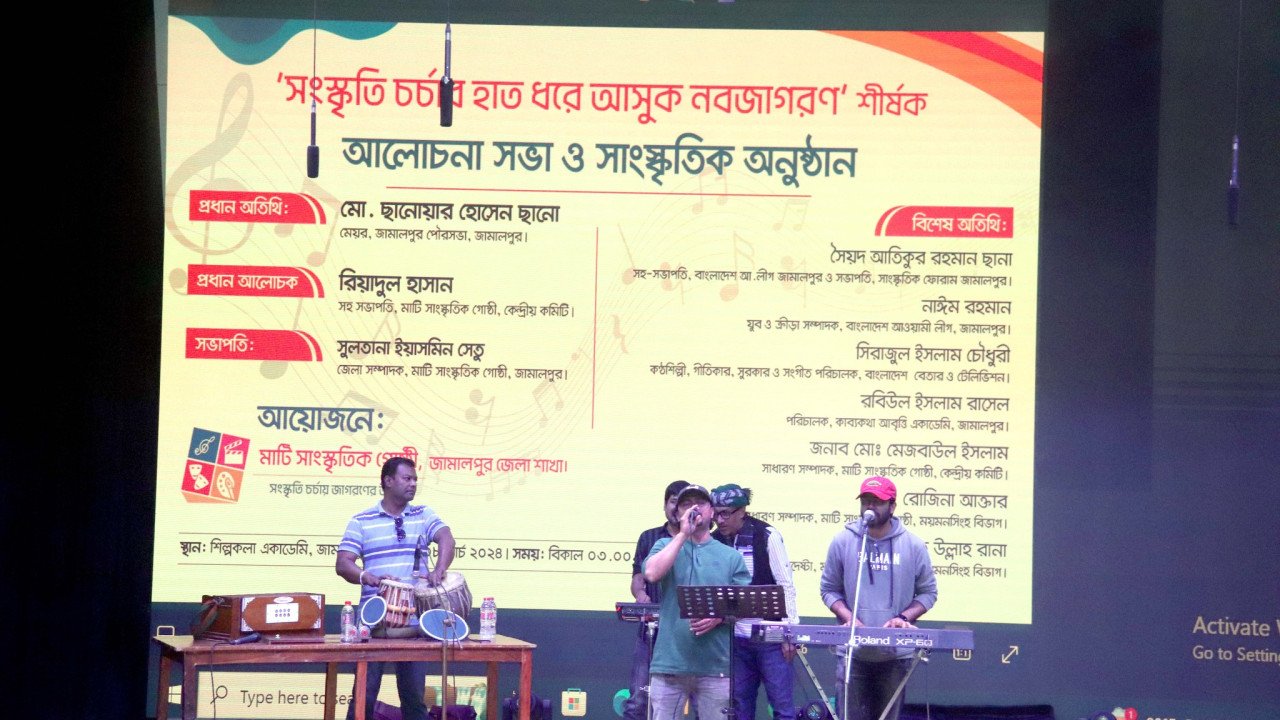
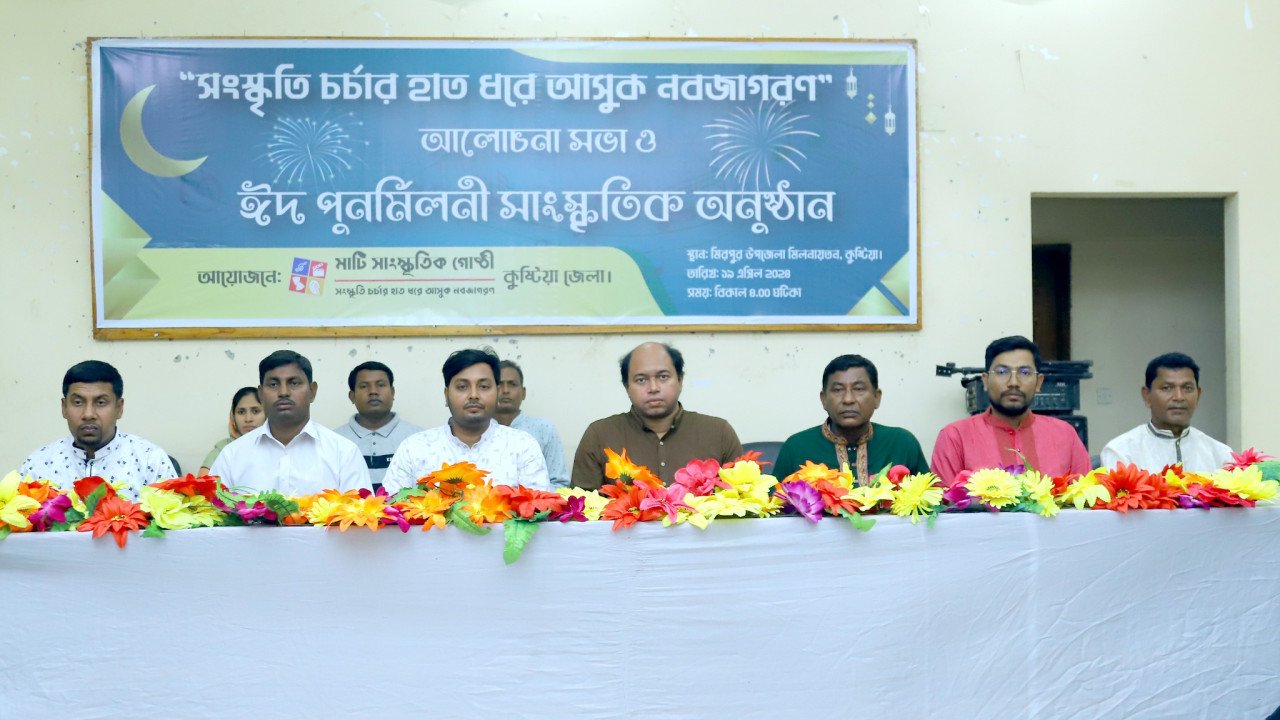
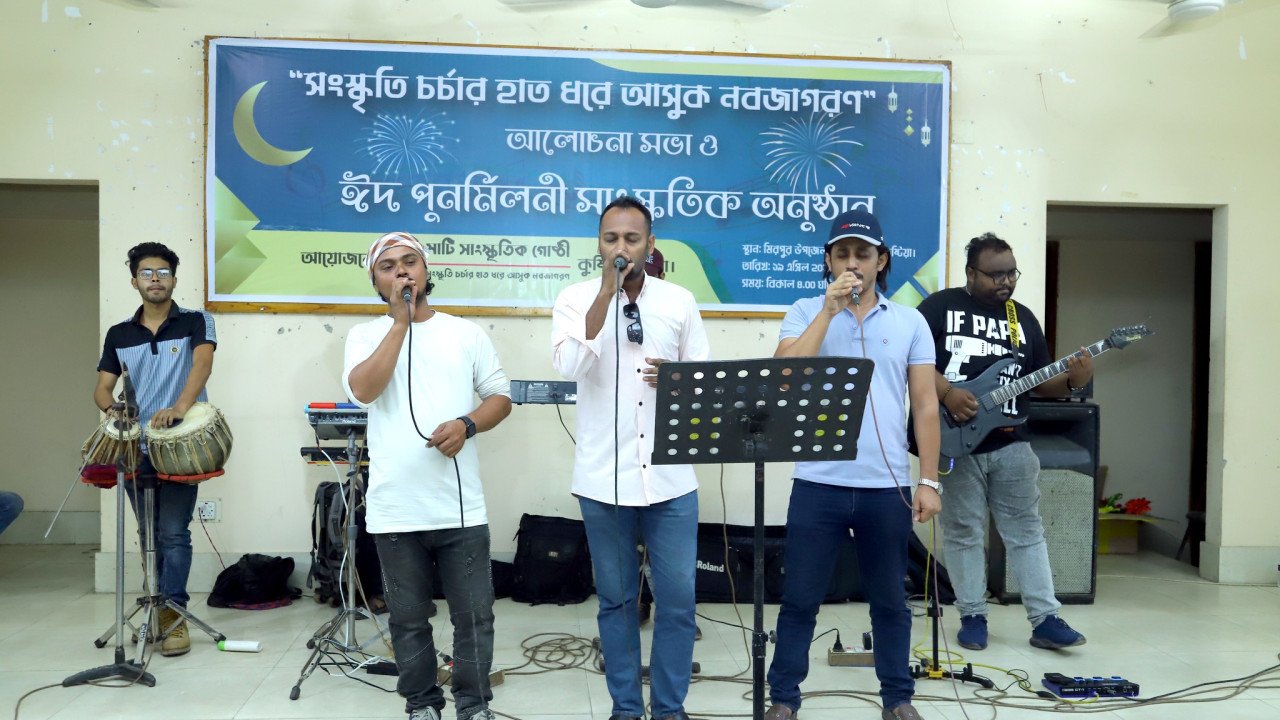
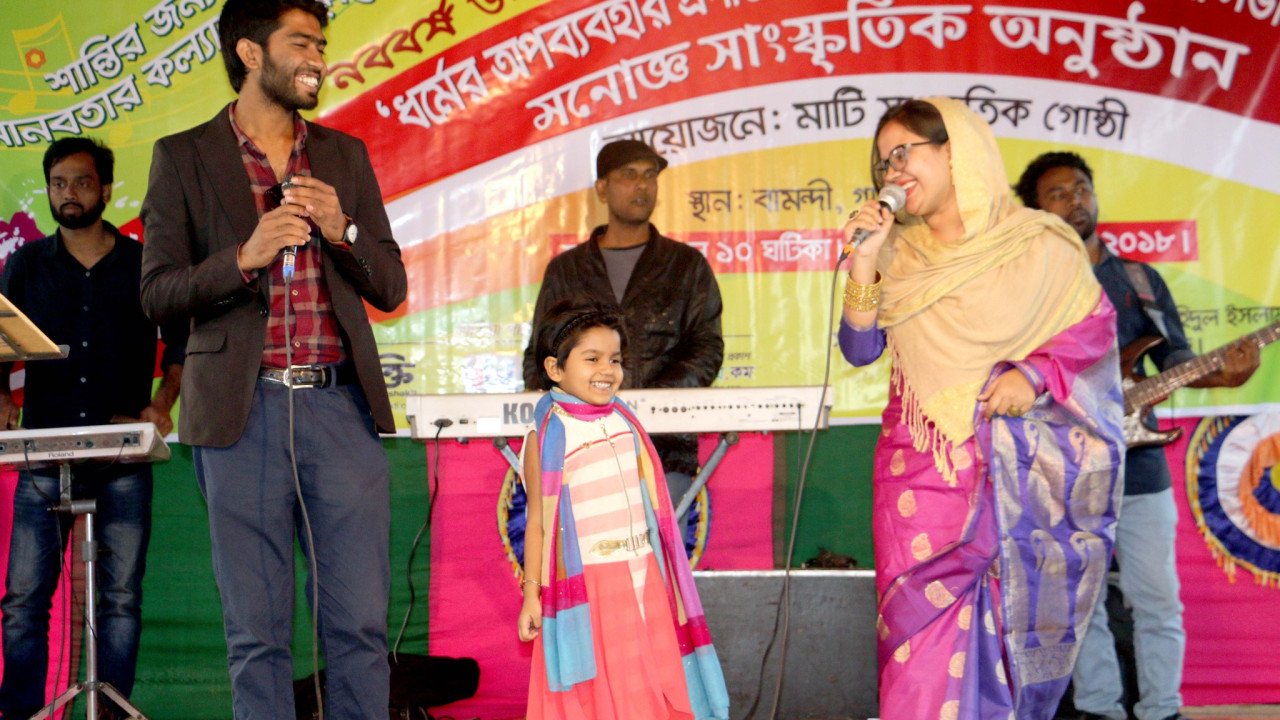
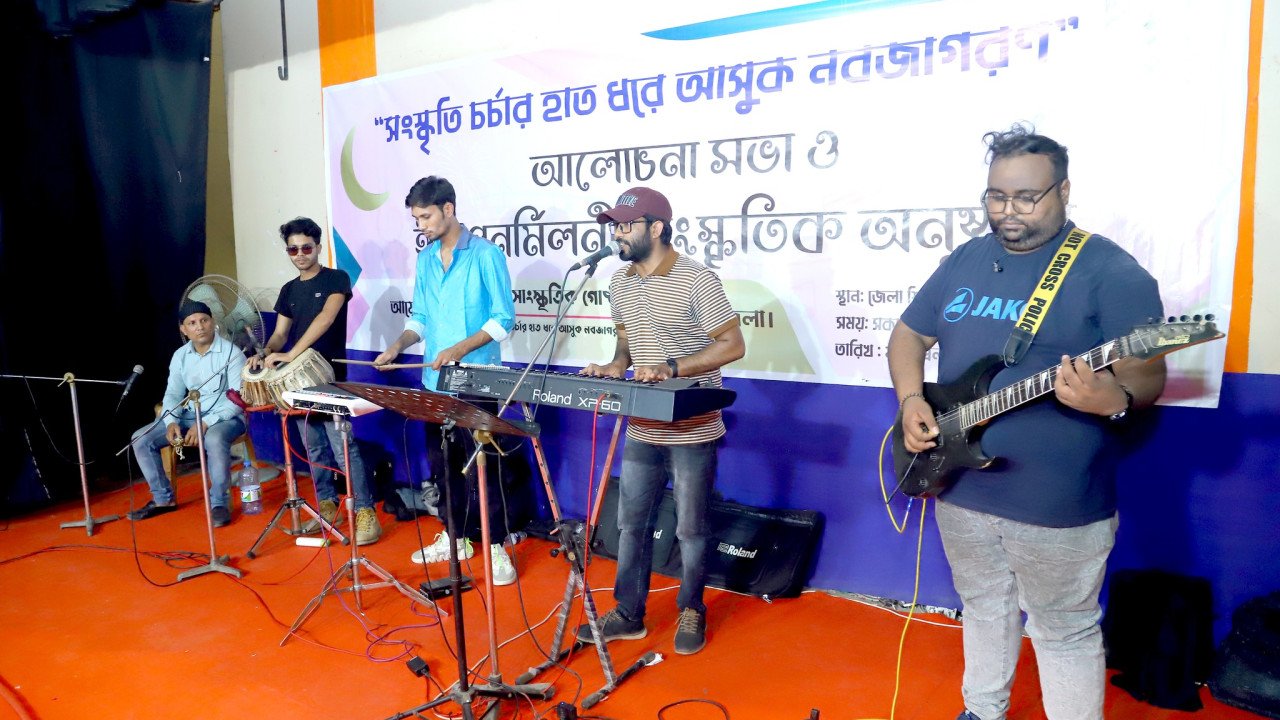
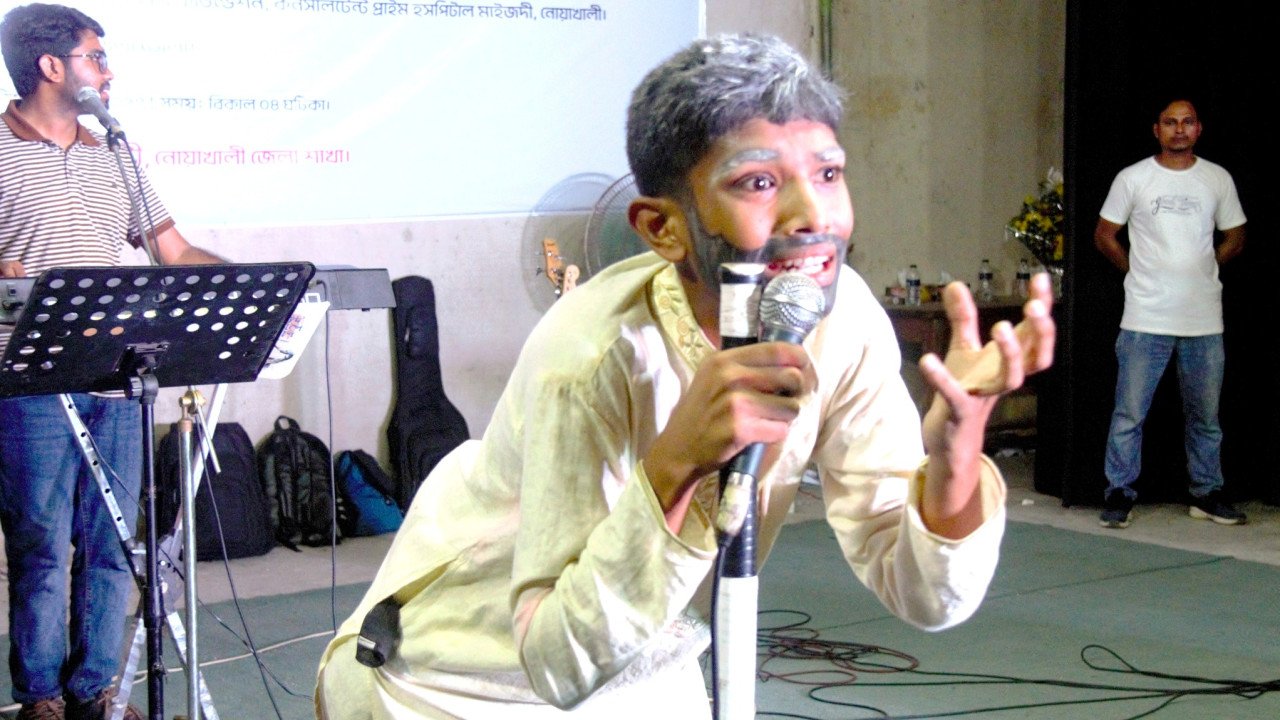
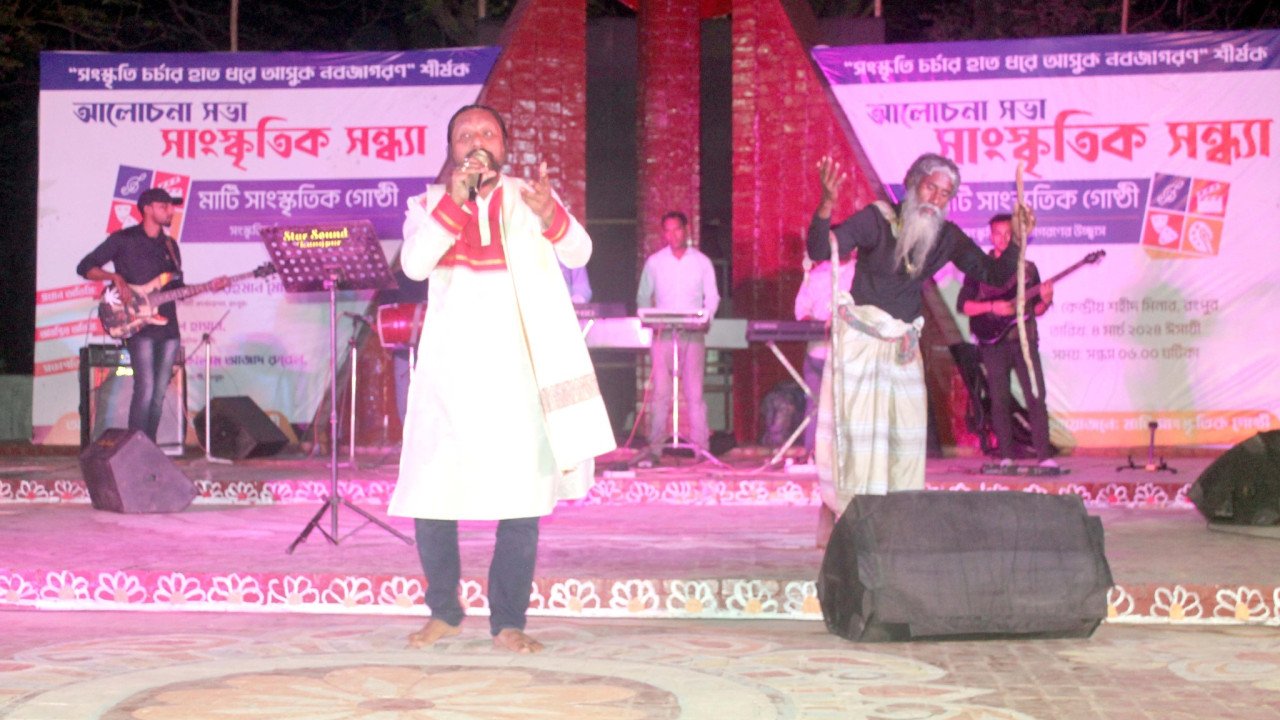
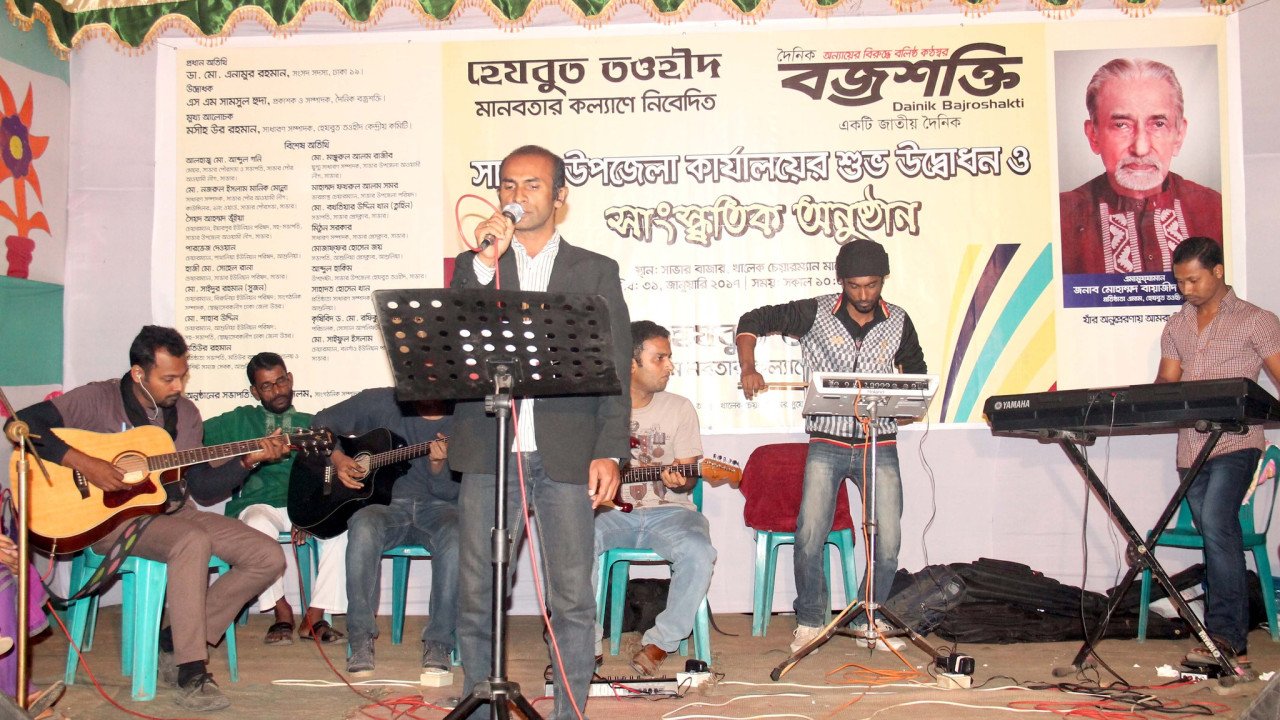
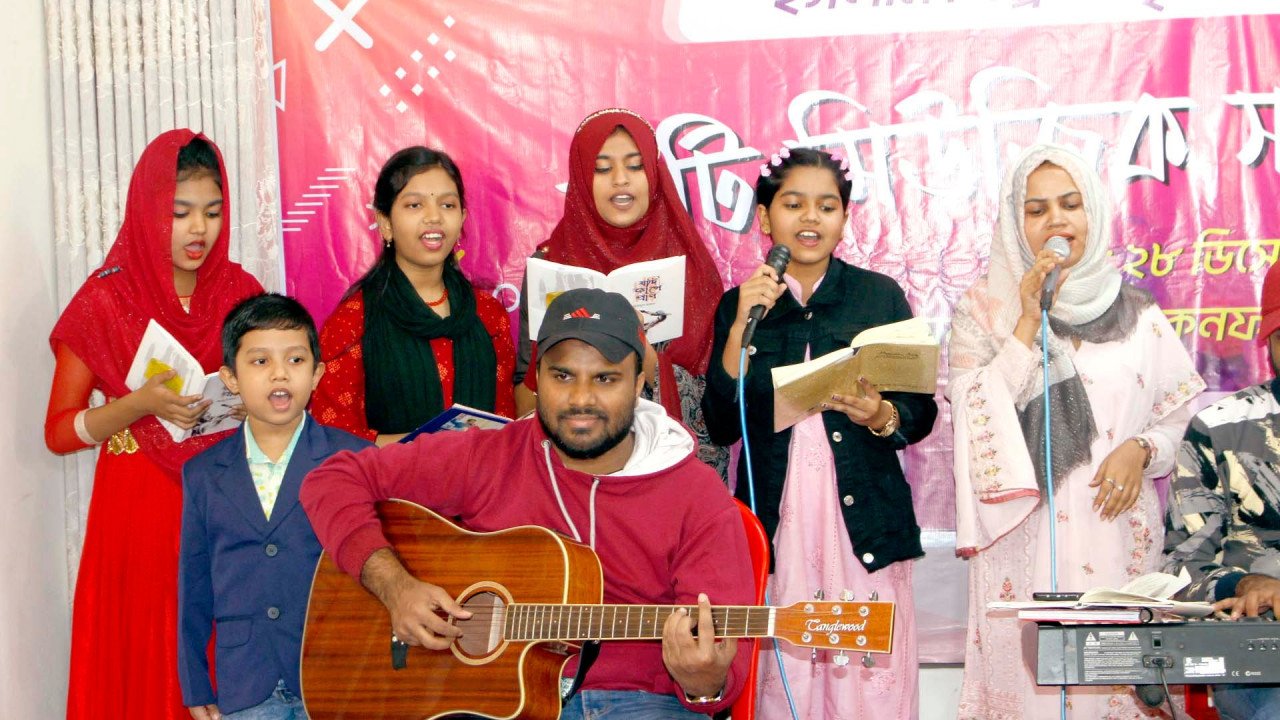
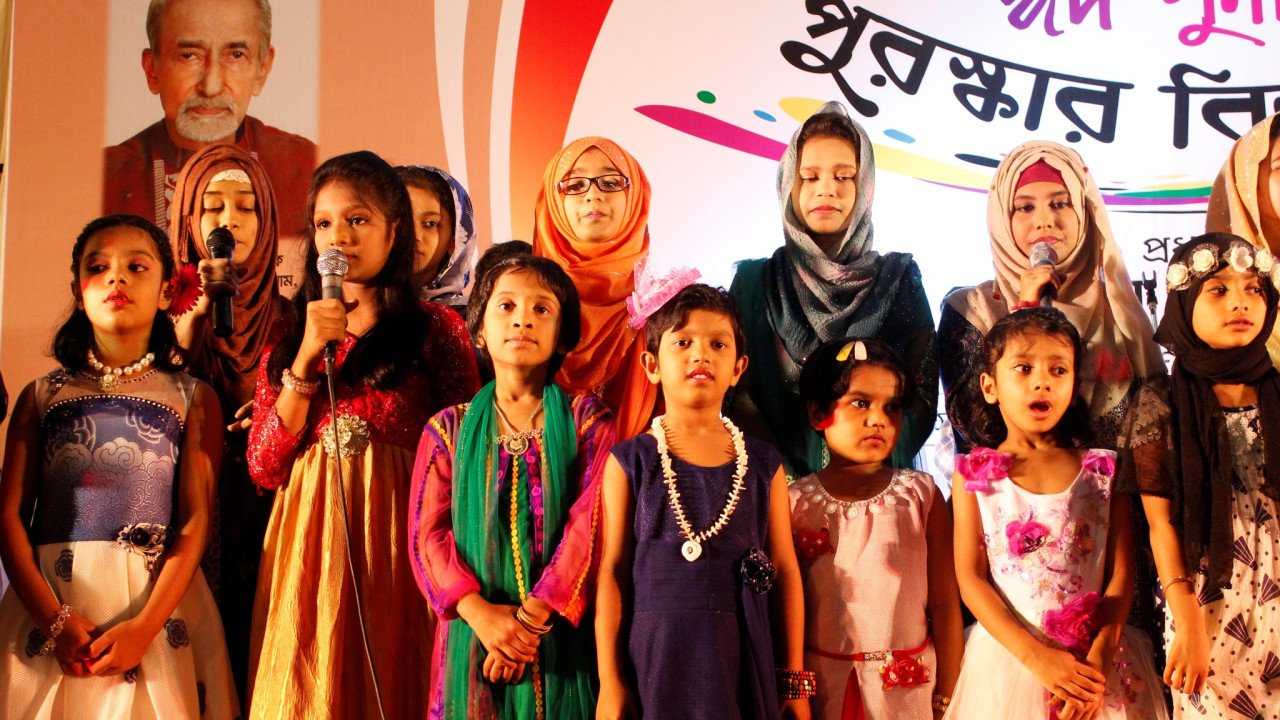
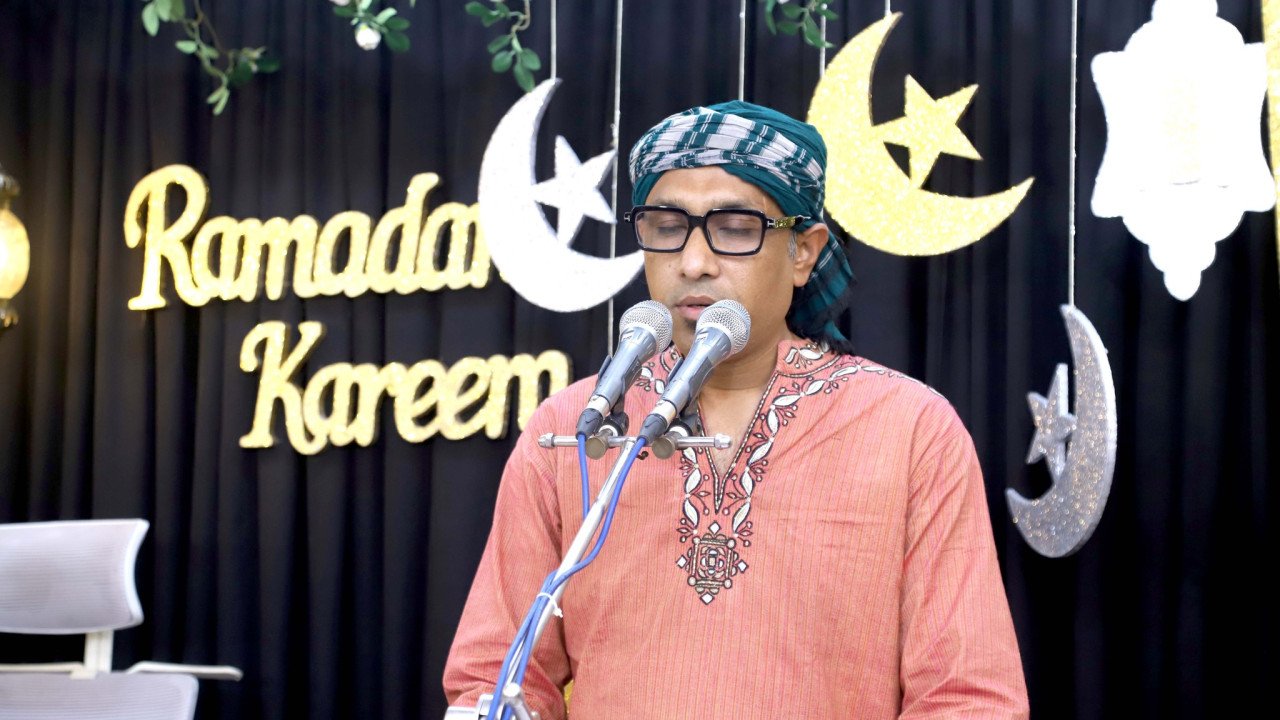
He has fostered the 'Maati Cultural Group,' a dedicated cultural wing that uses art as a weapon to fight societal ills and inspire positive change.
- Producing over 150 original songs against extremism and communalism.
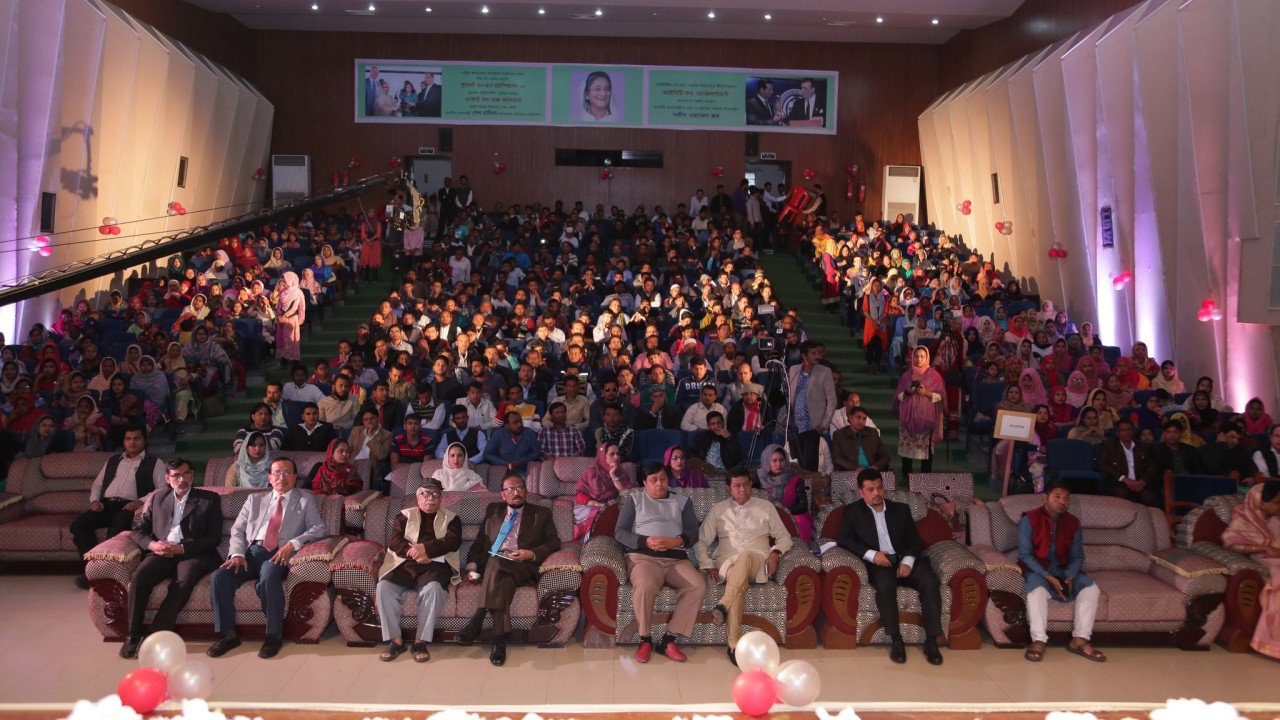
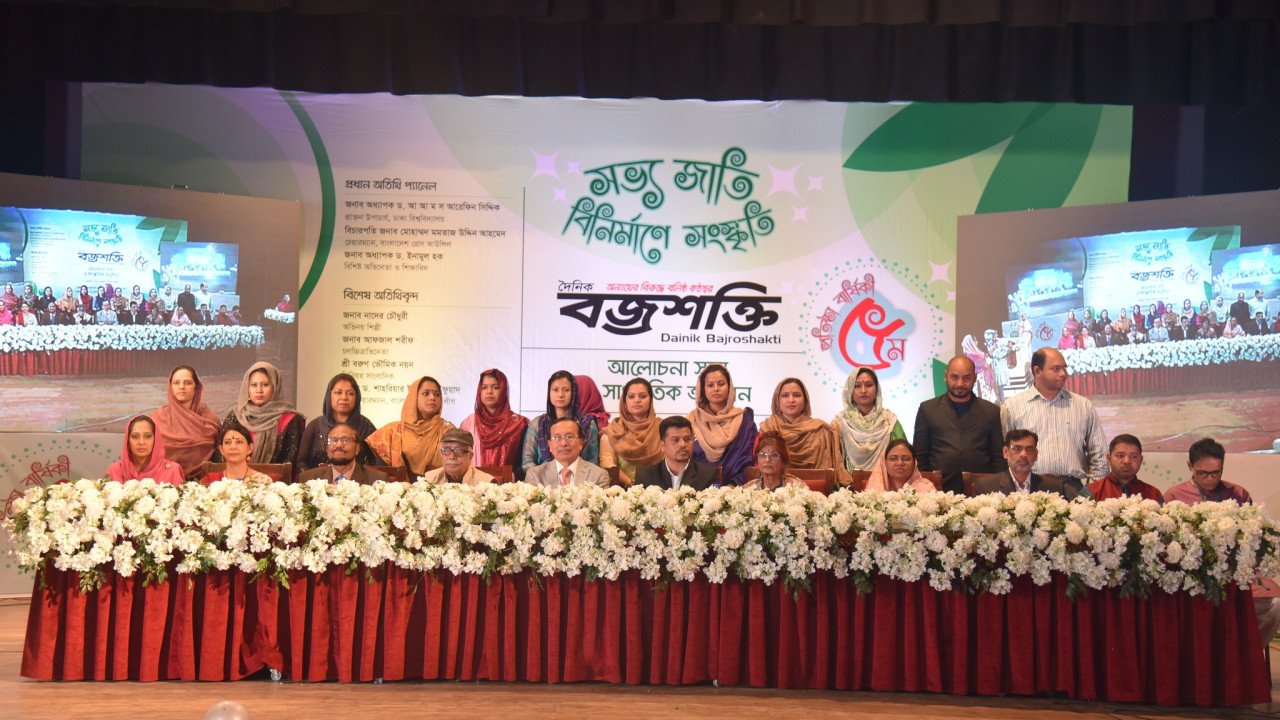
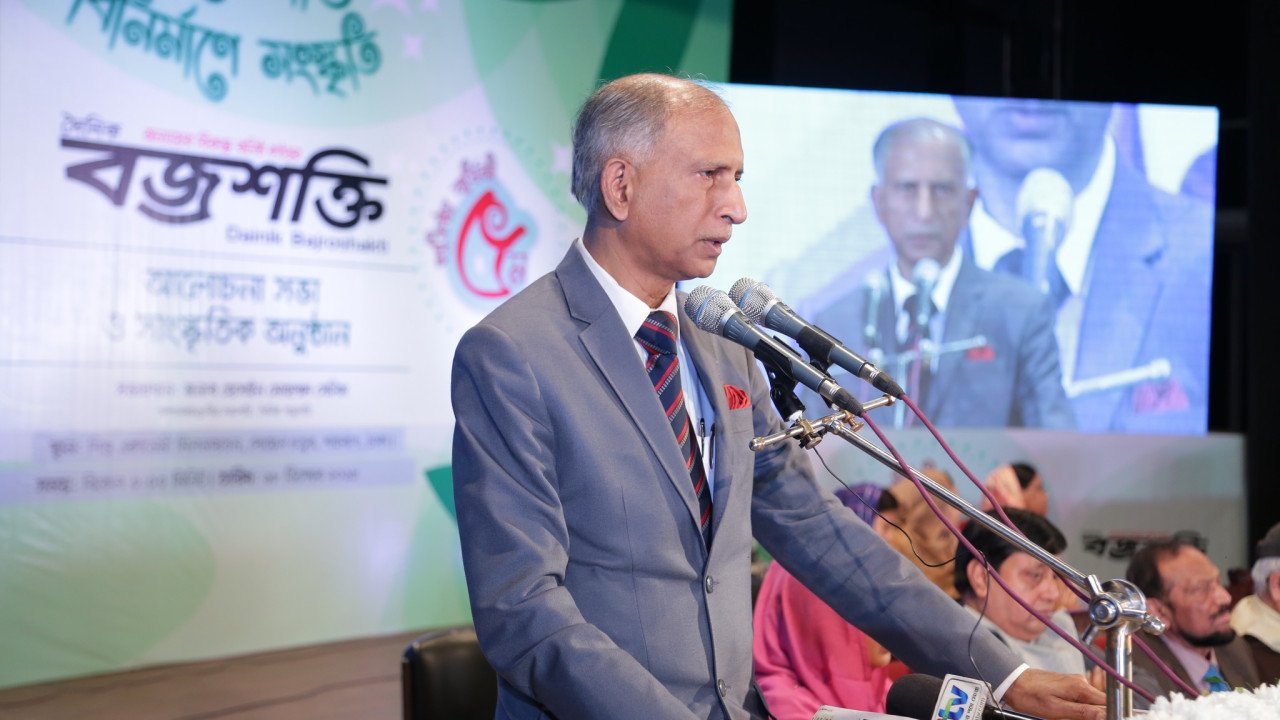
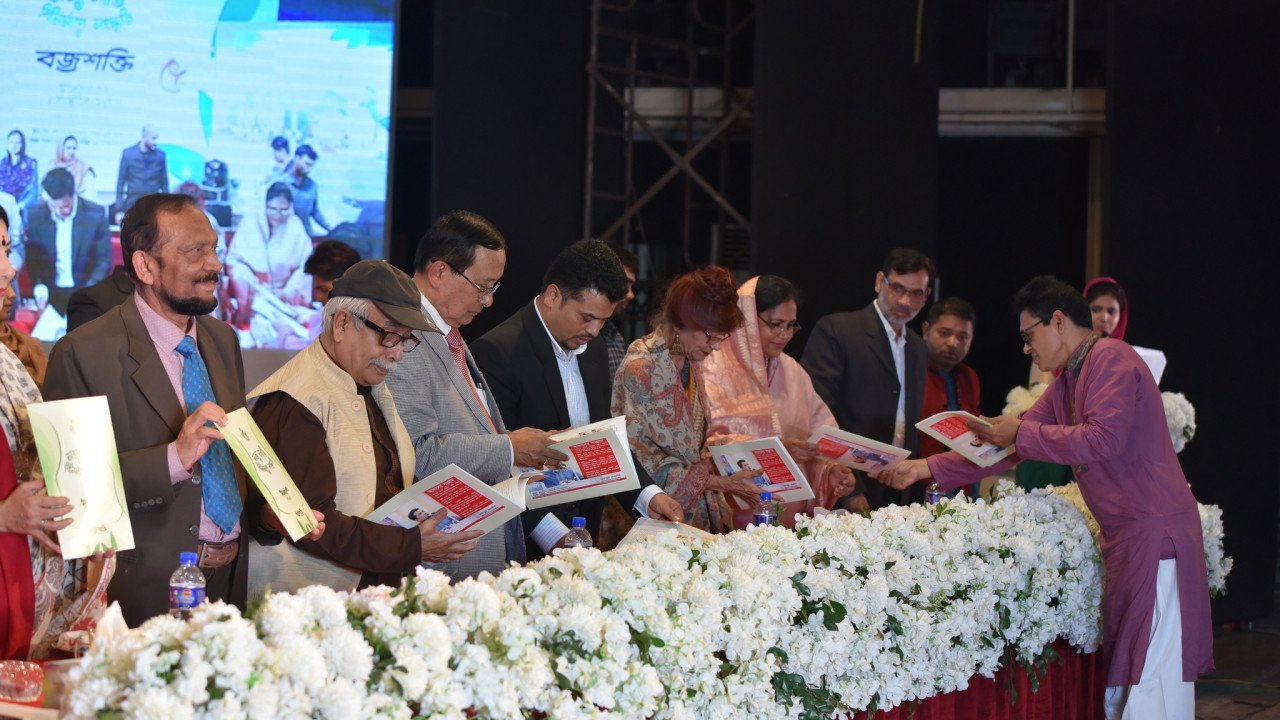
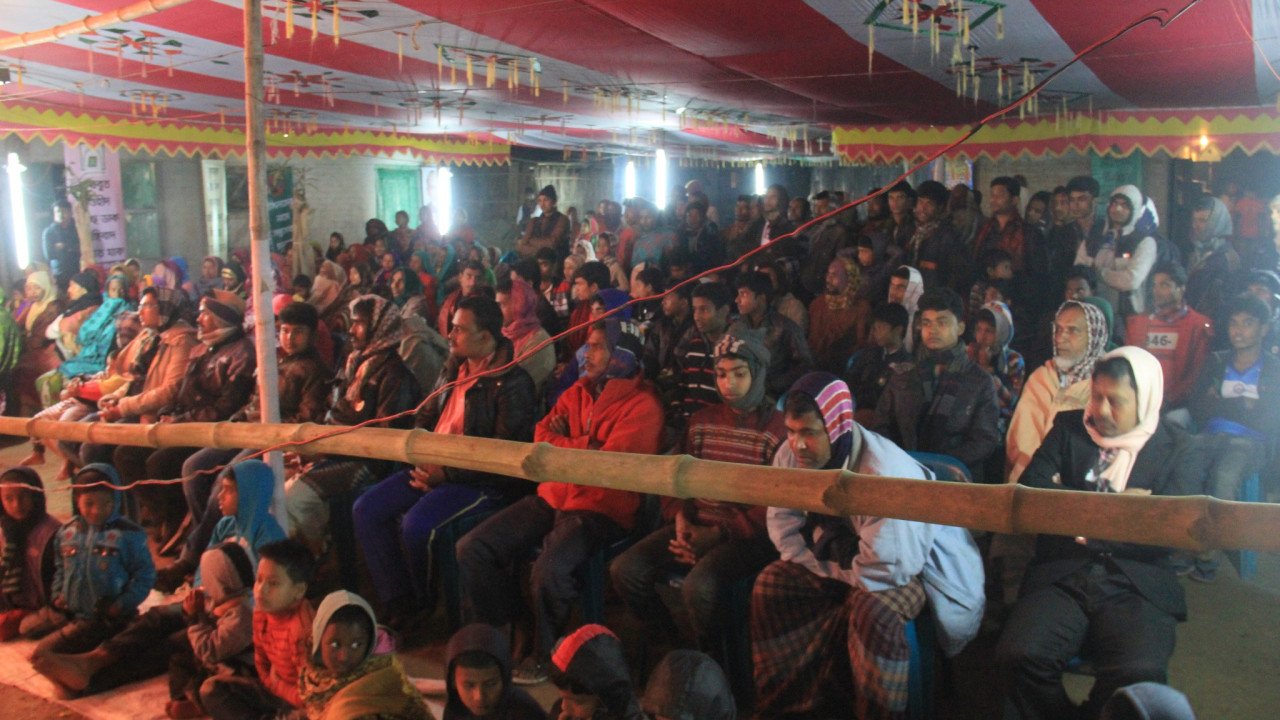
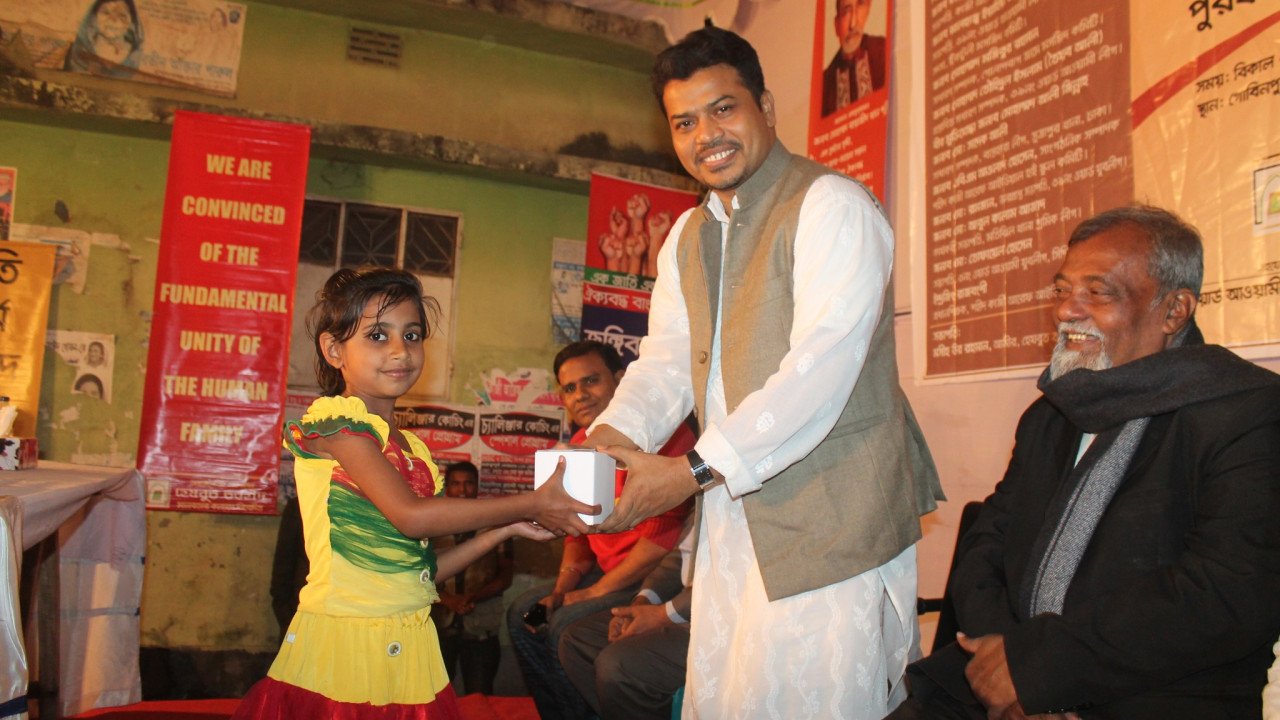
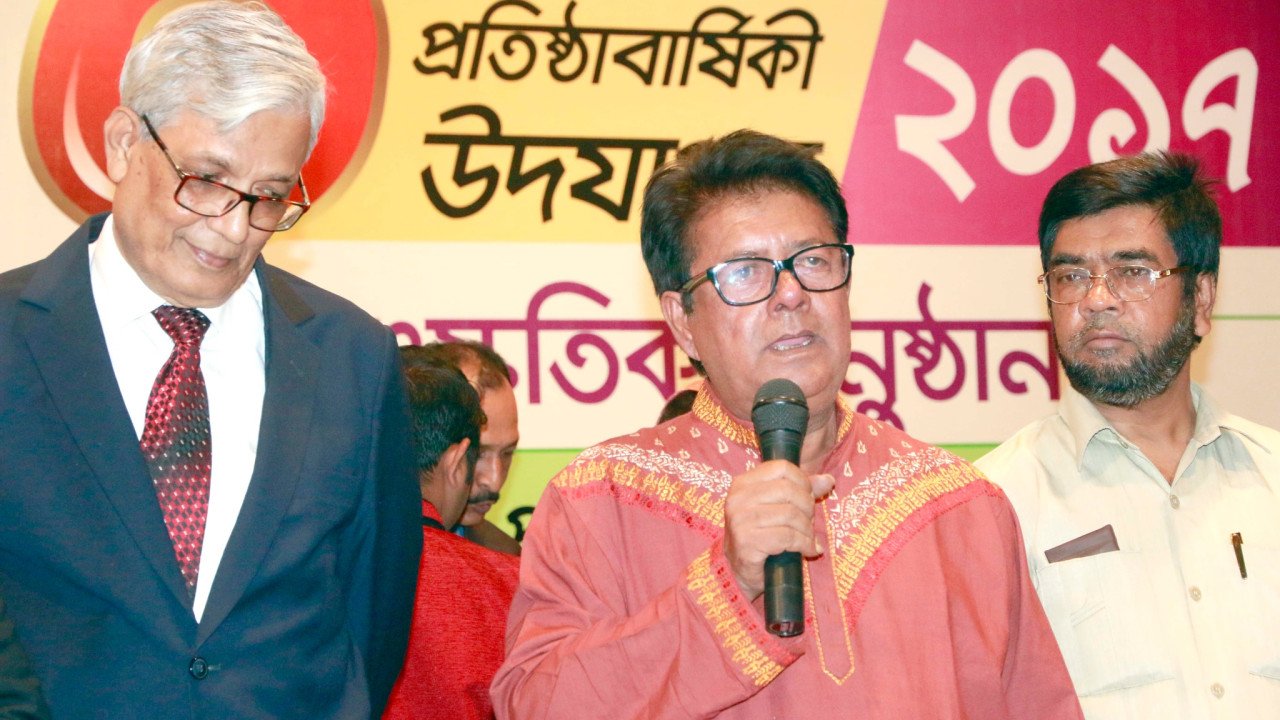
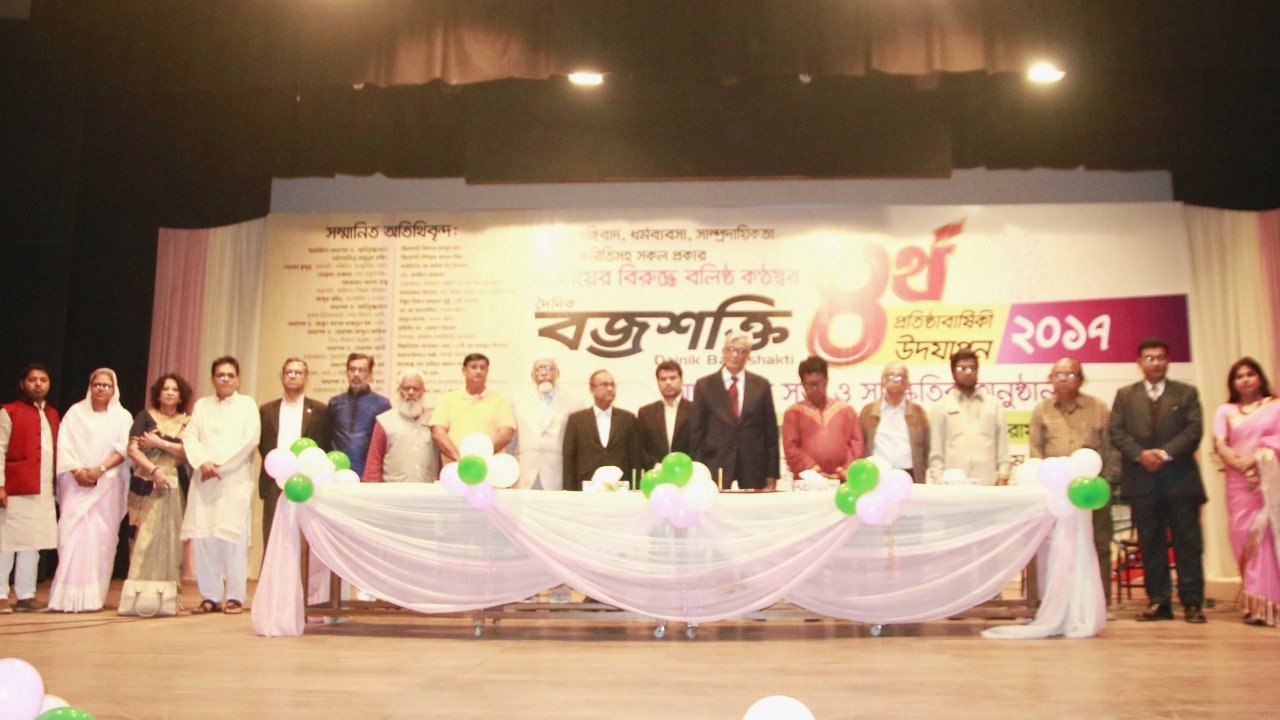
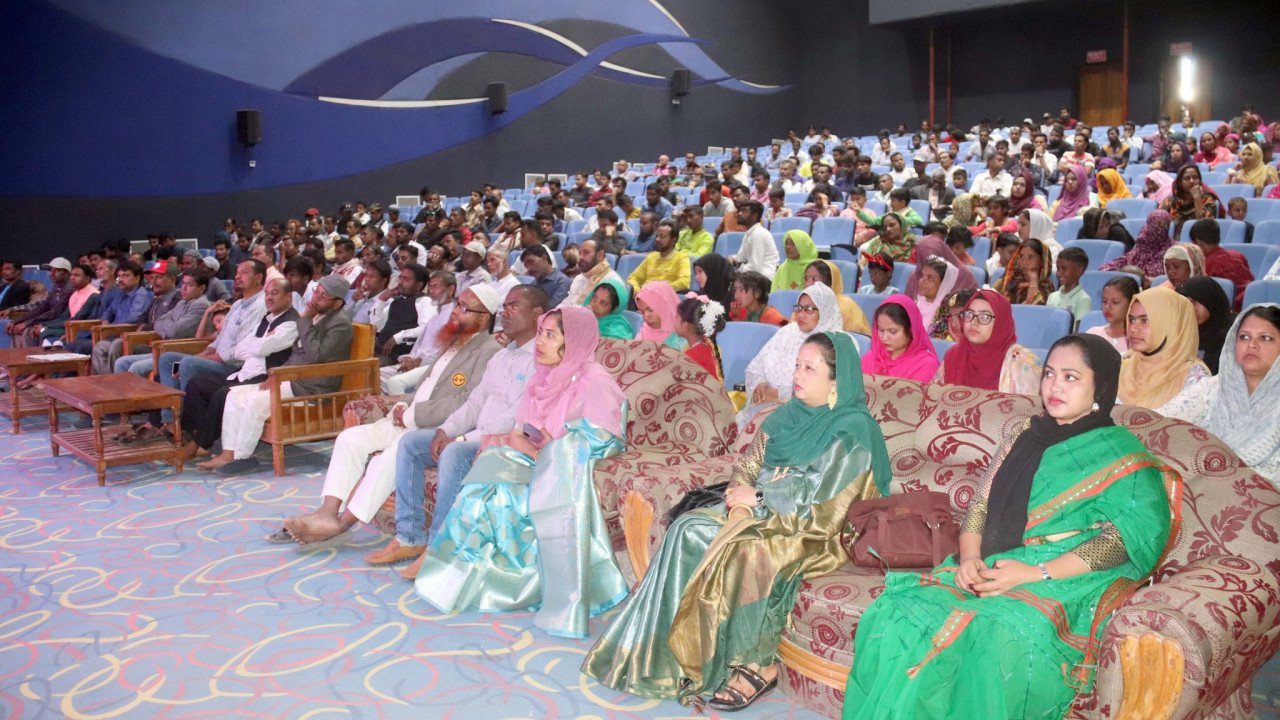
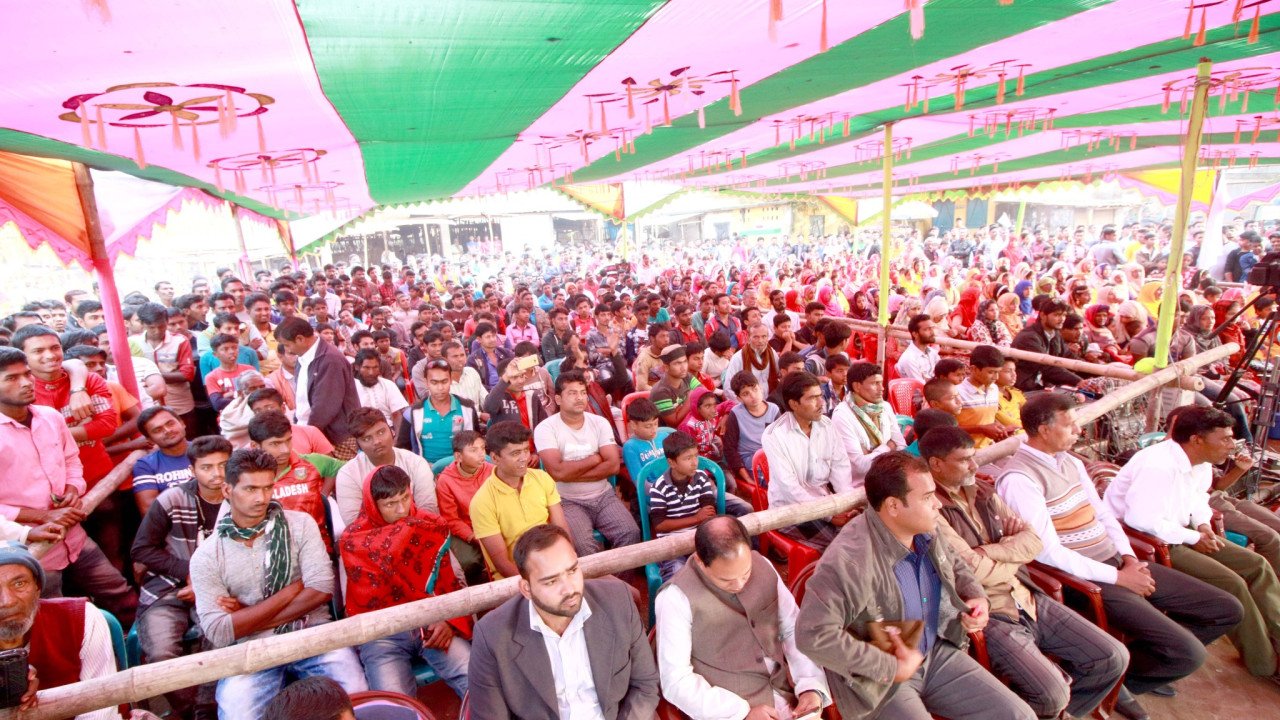
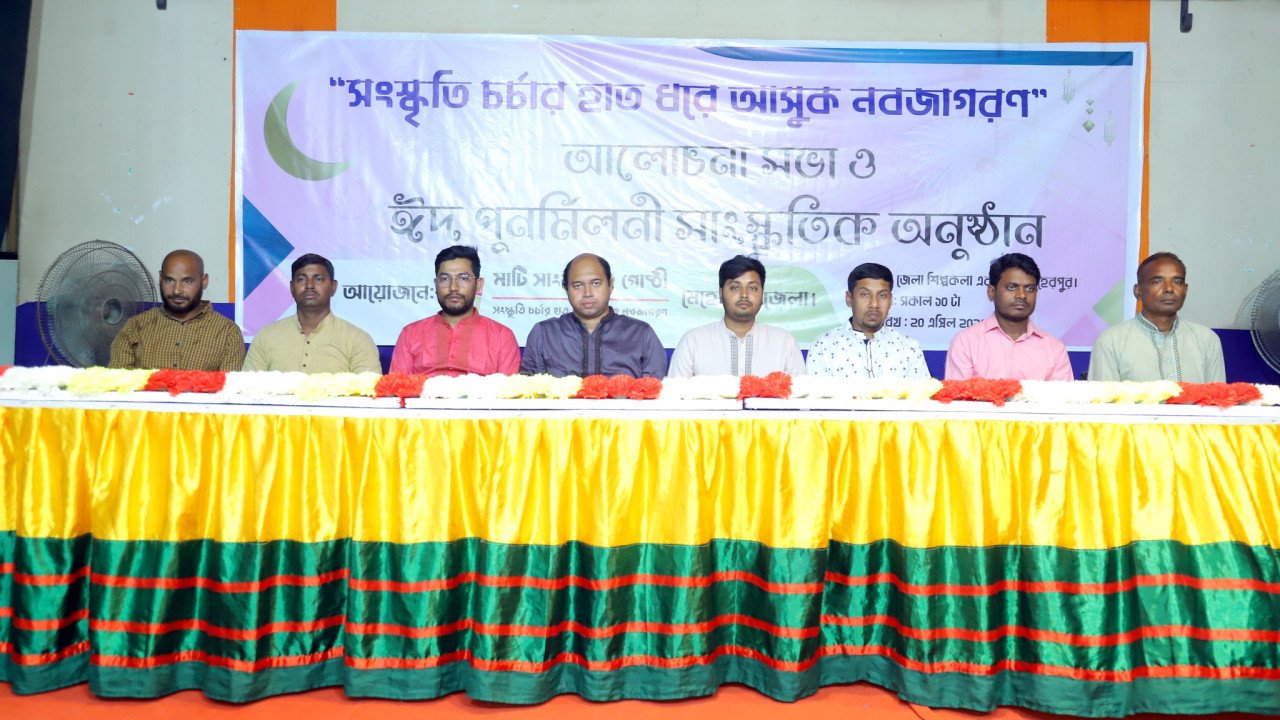
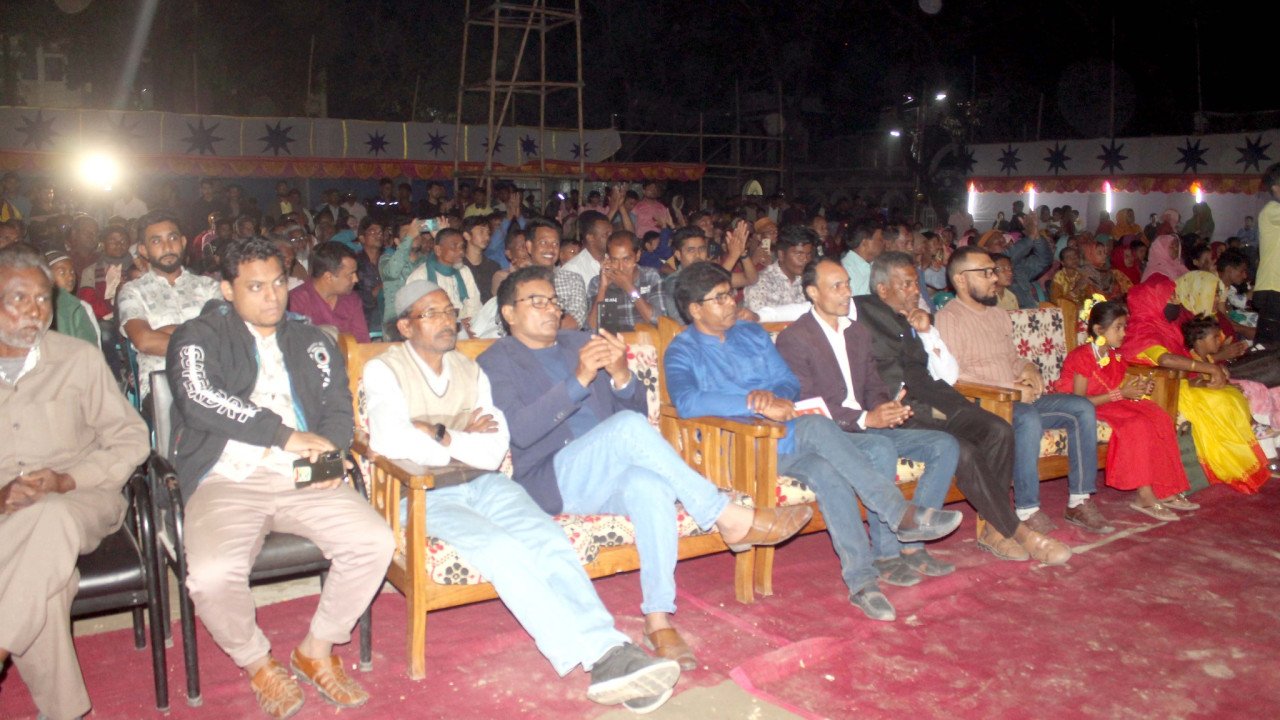
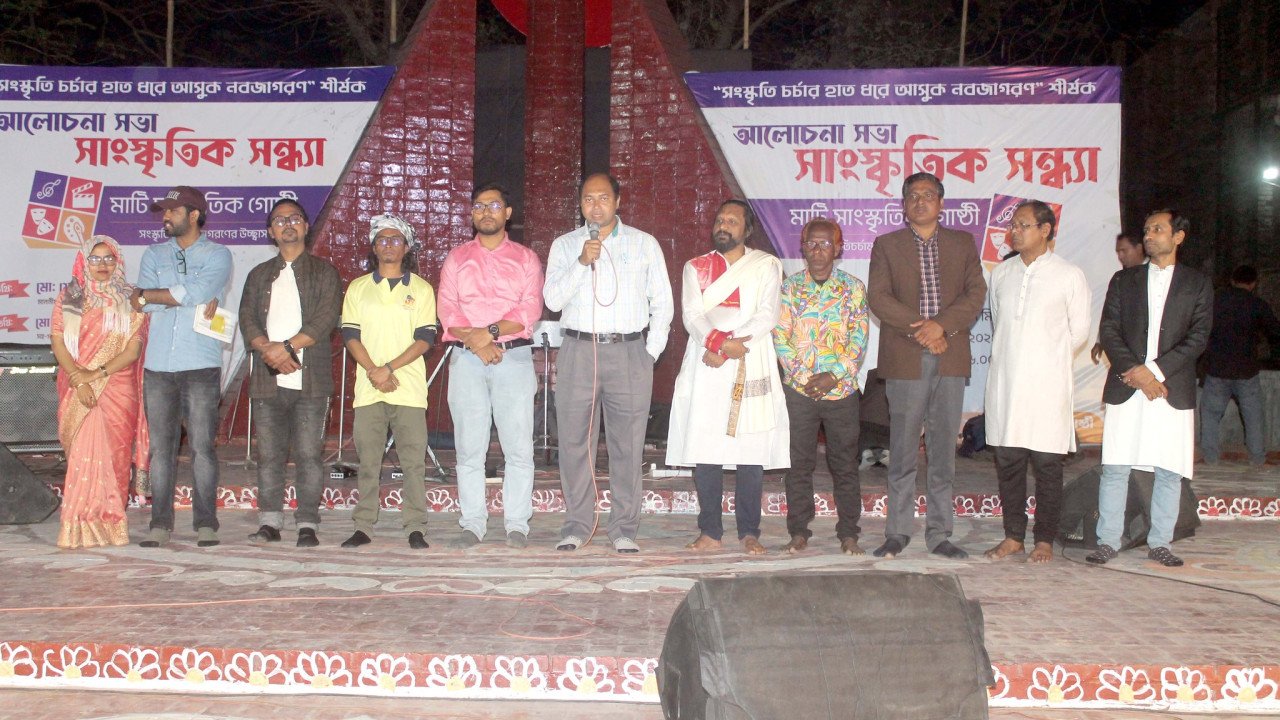
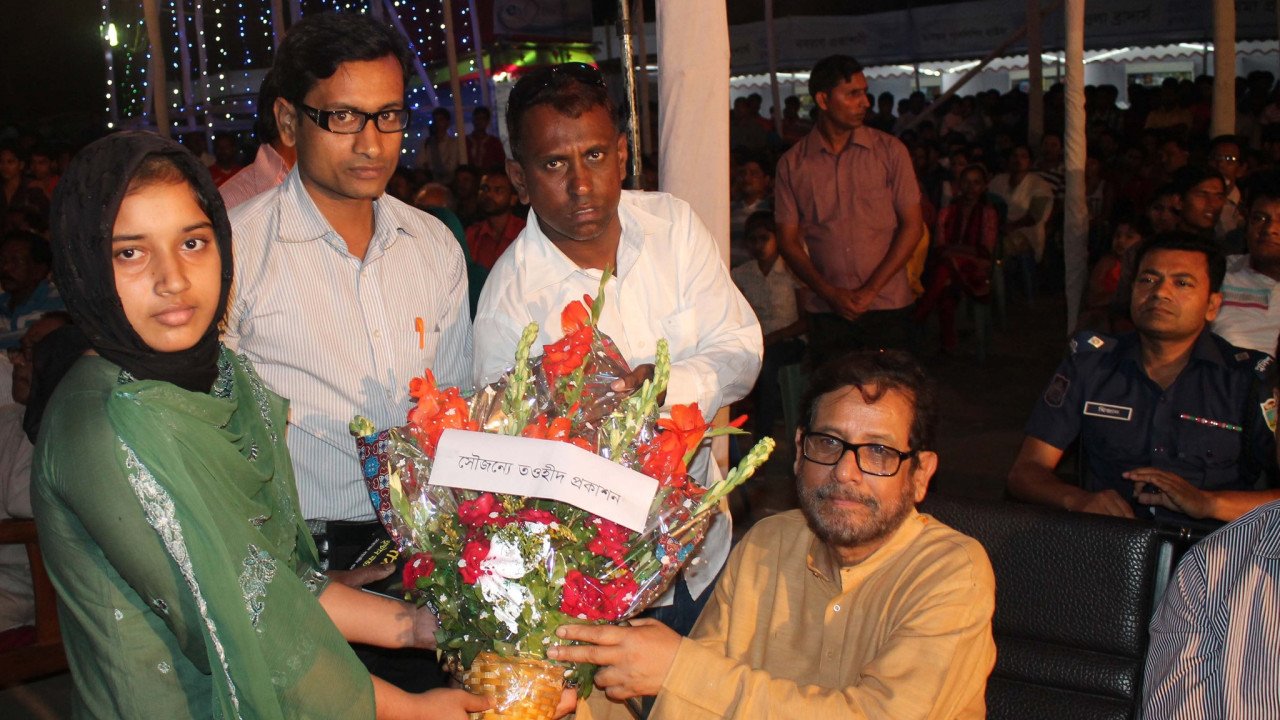
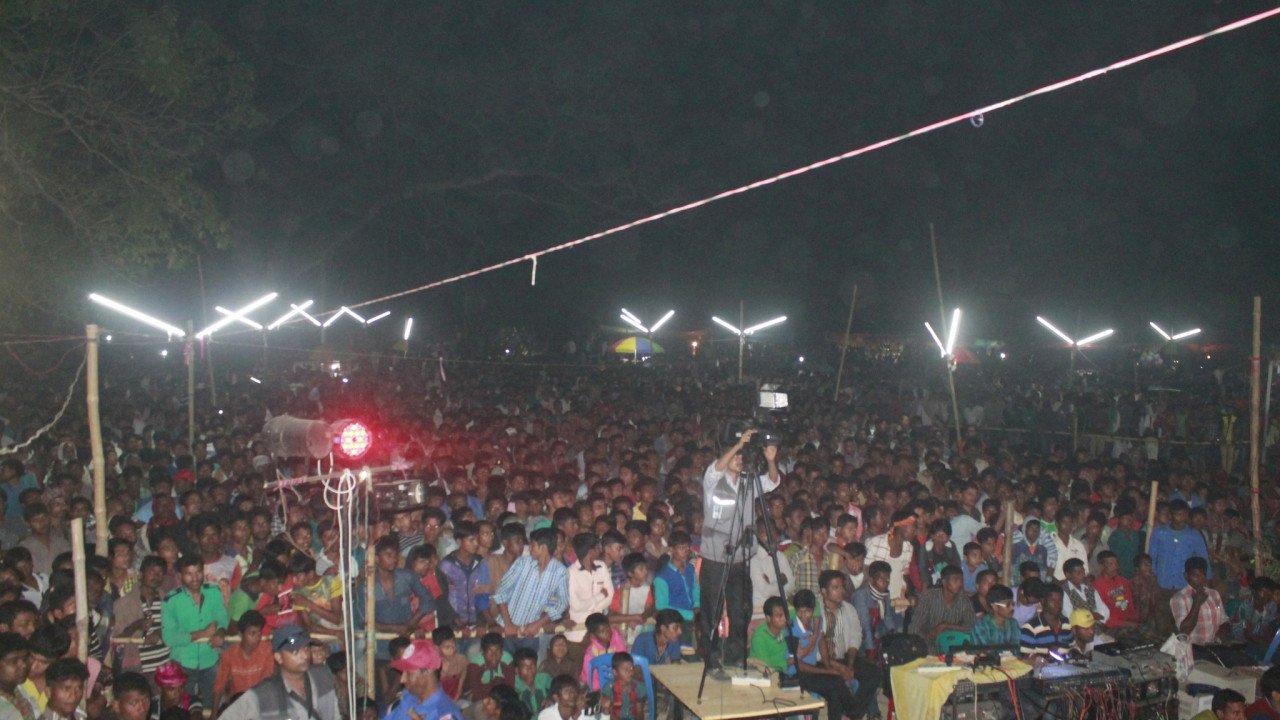
- Organizing cultural events and seminars across the country.
- Engaging renowned artists and intellectuals to build a united front.
A Renaissance Through Cultural Practice
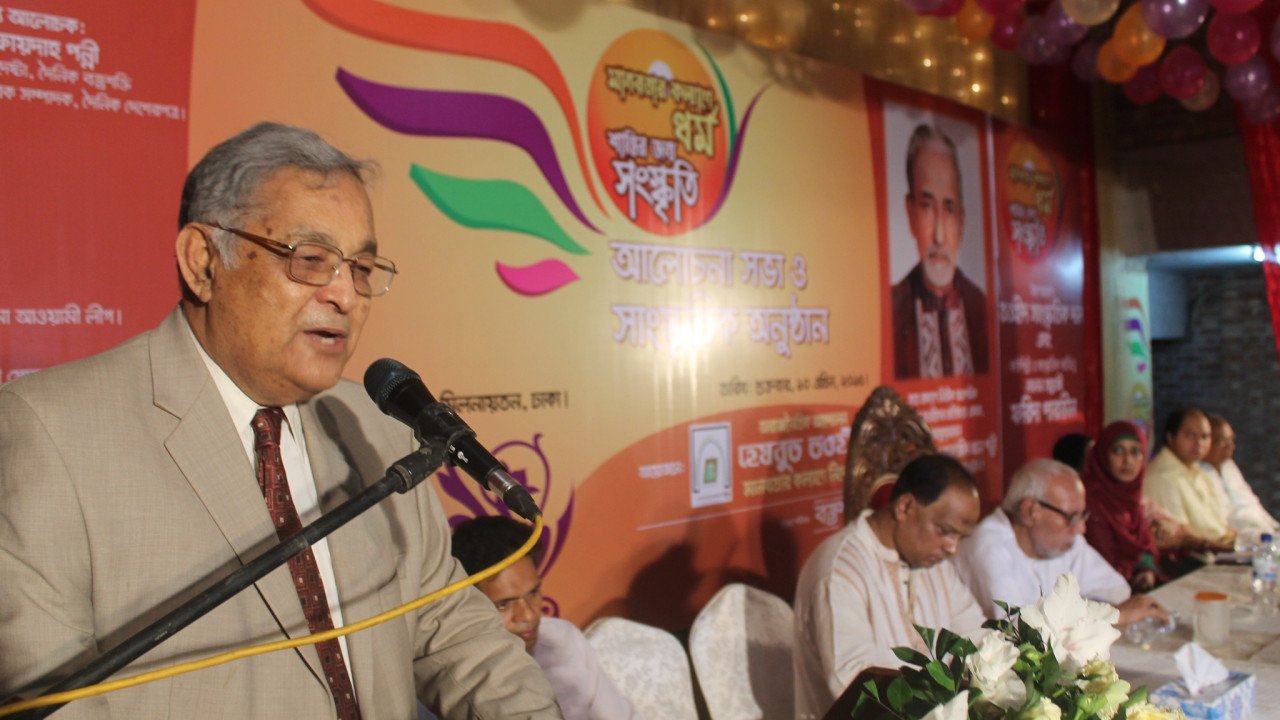
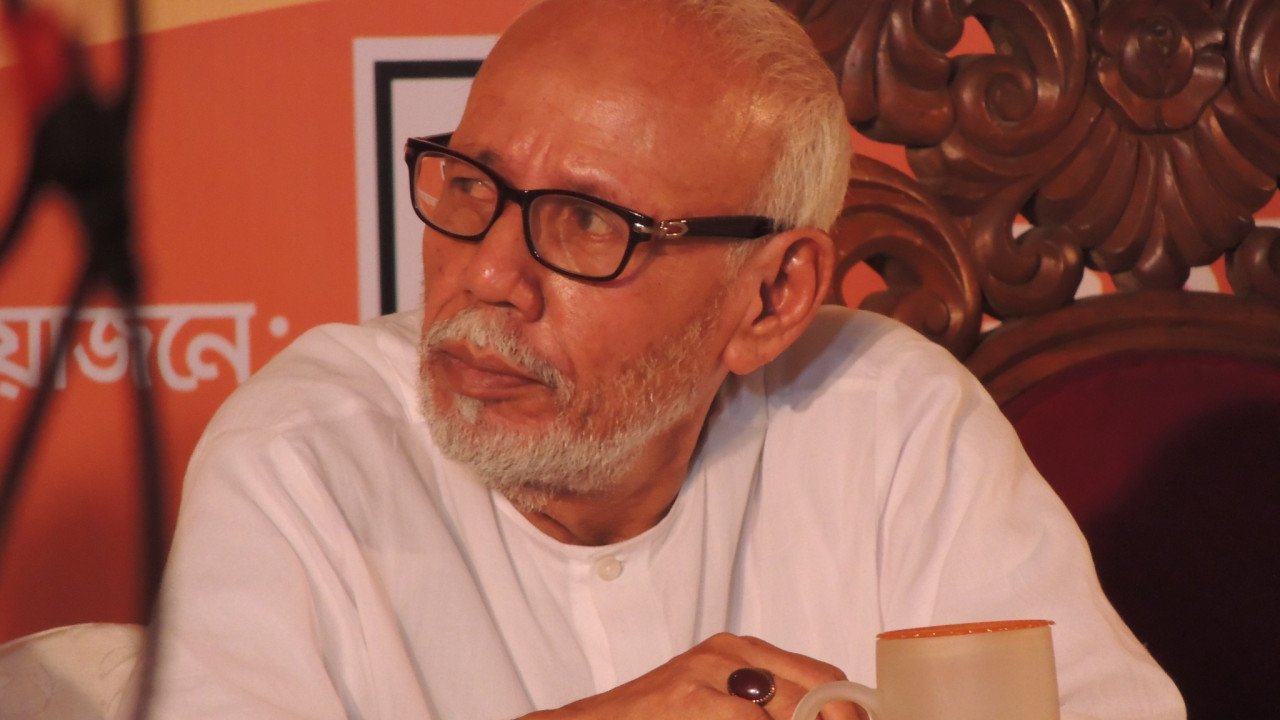
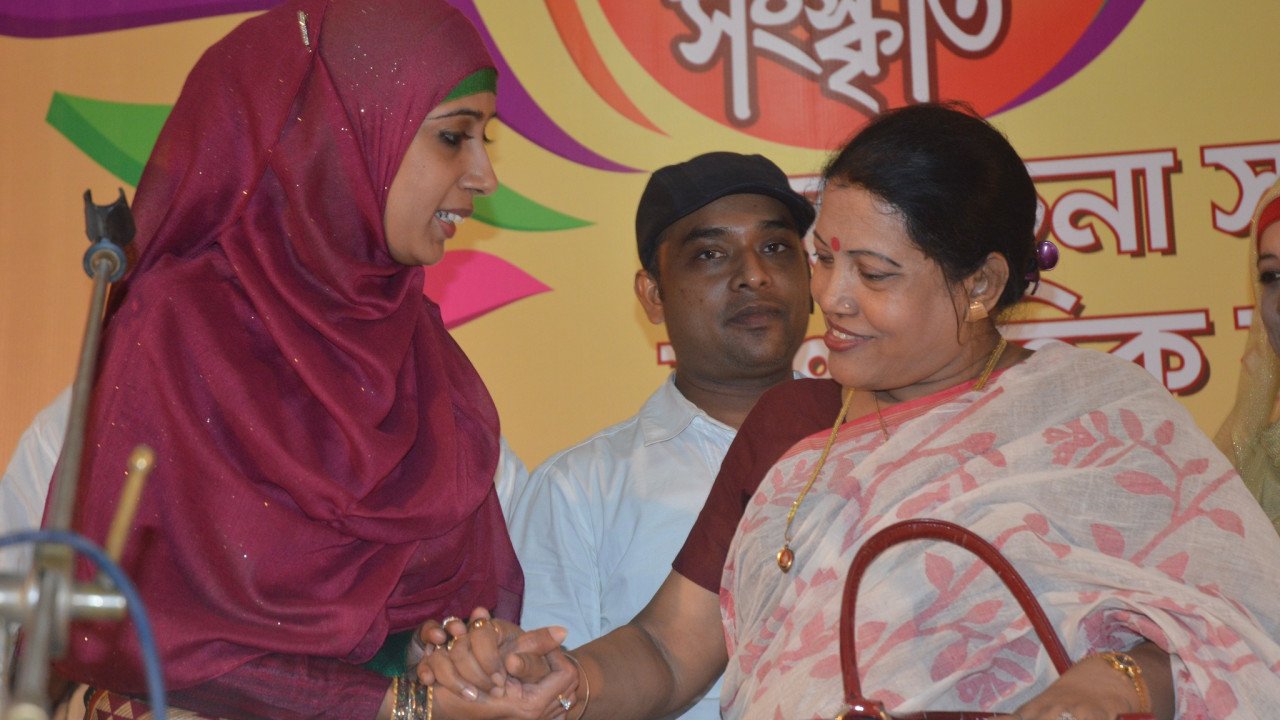
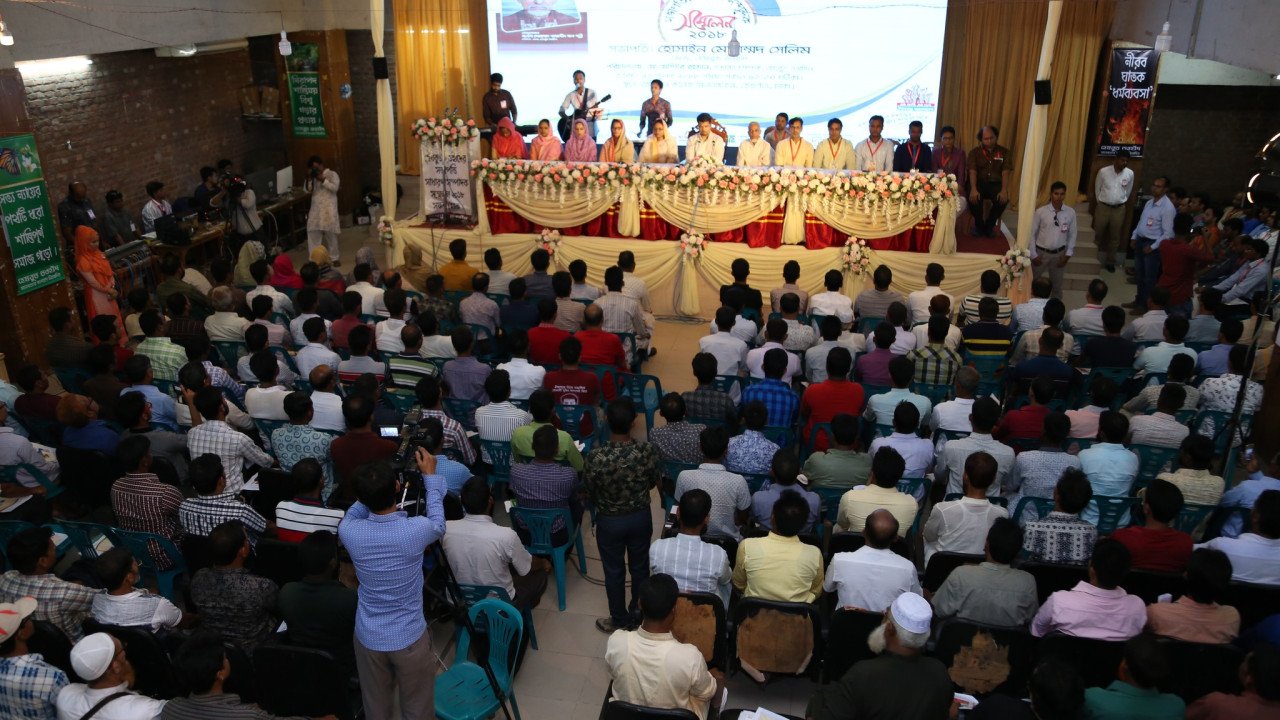
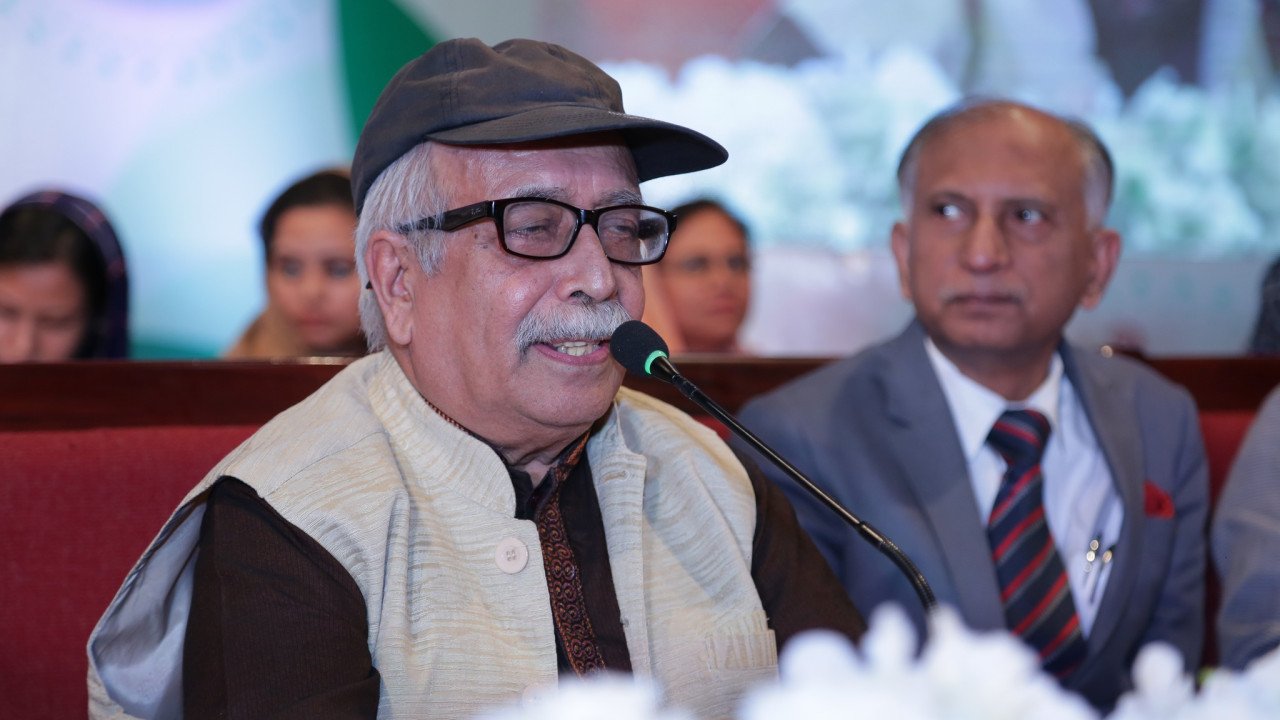
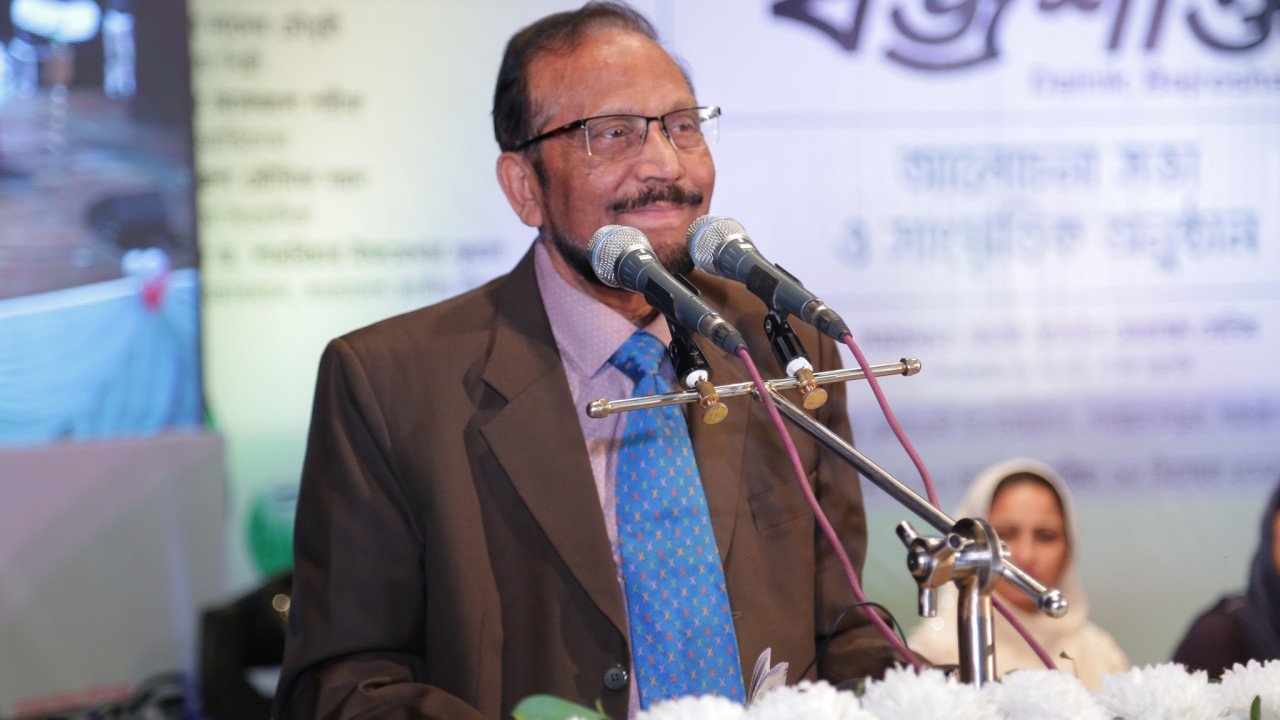
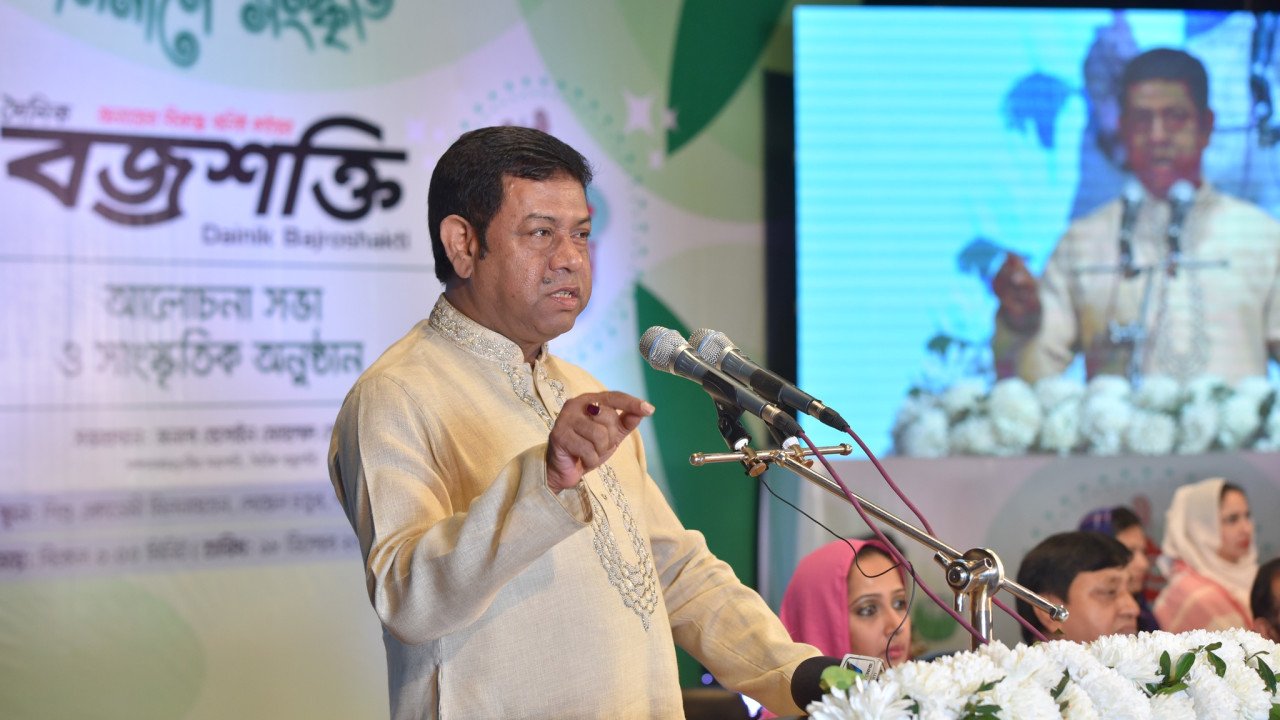
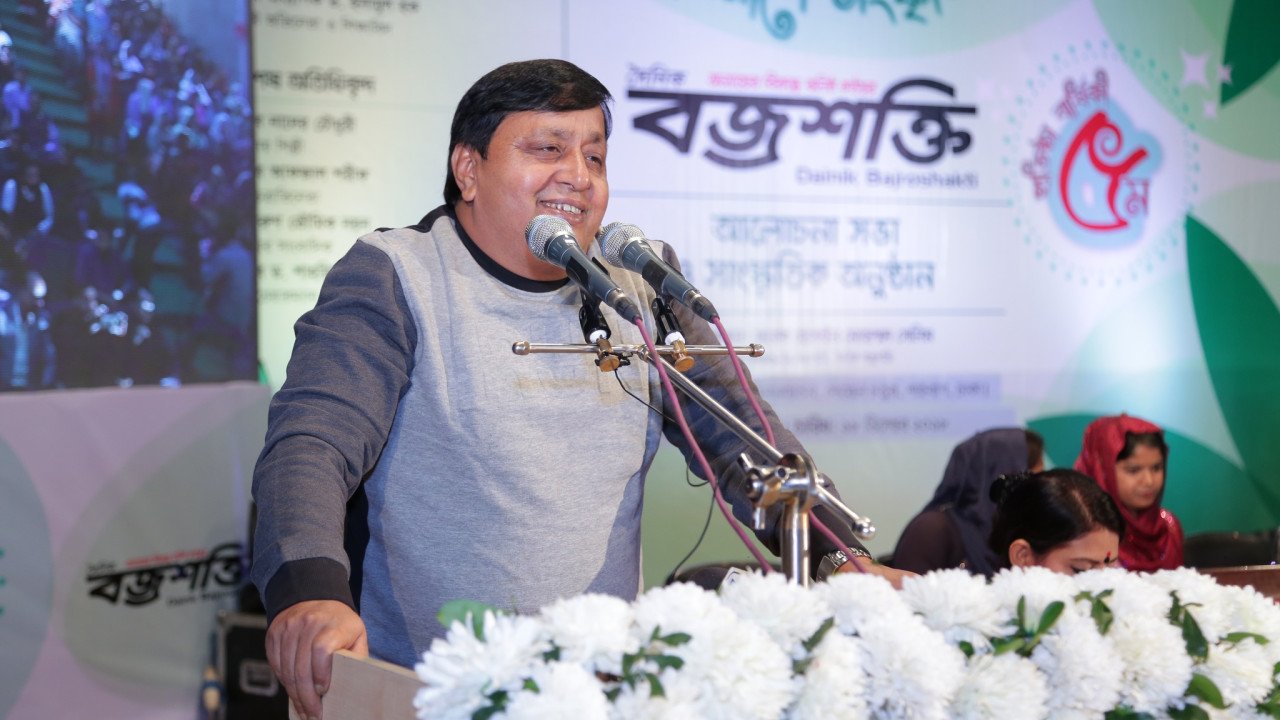
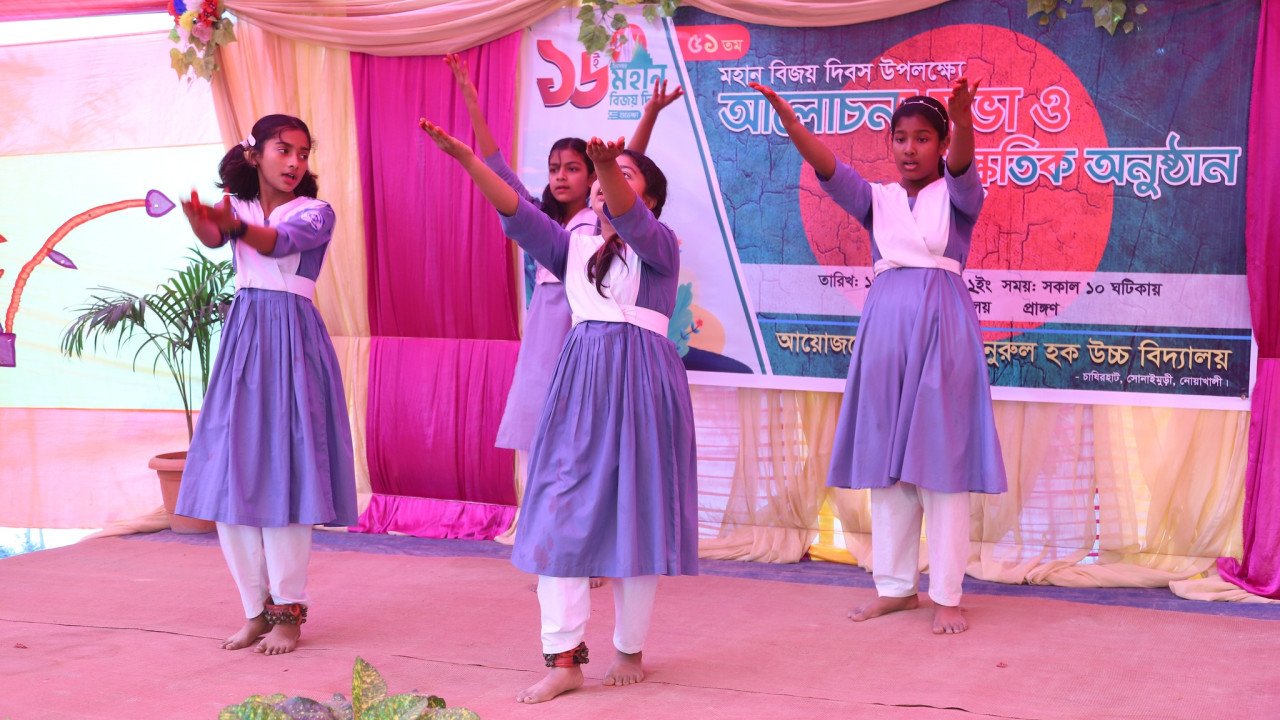
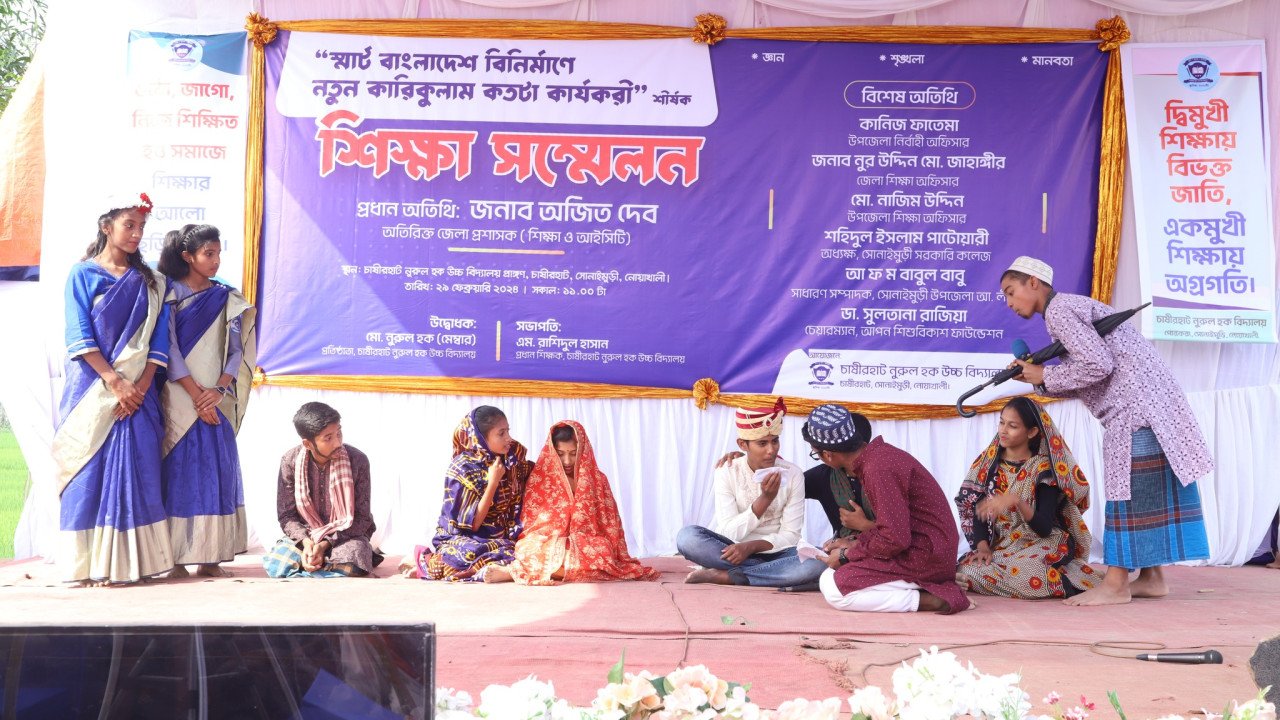
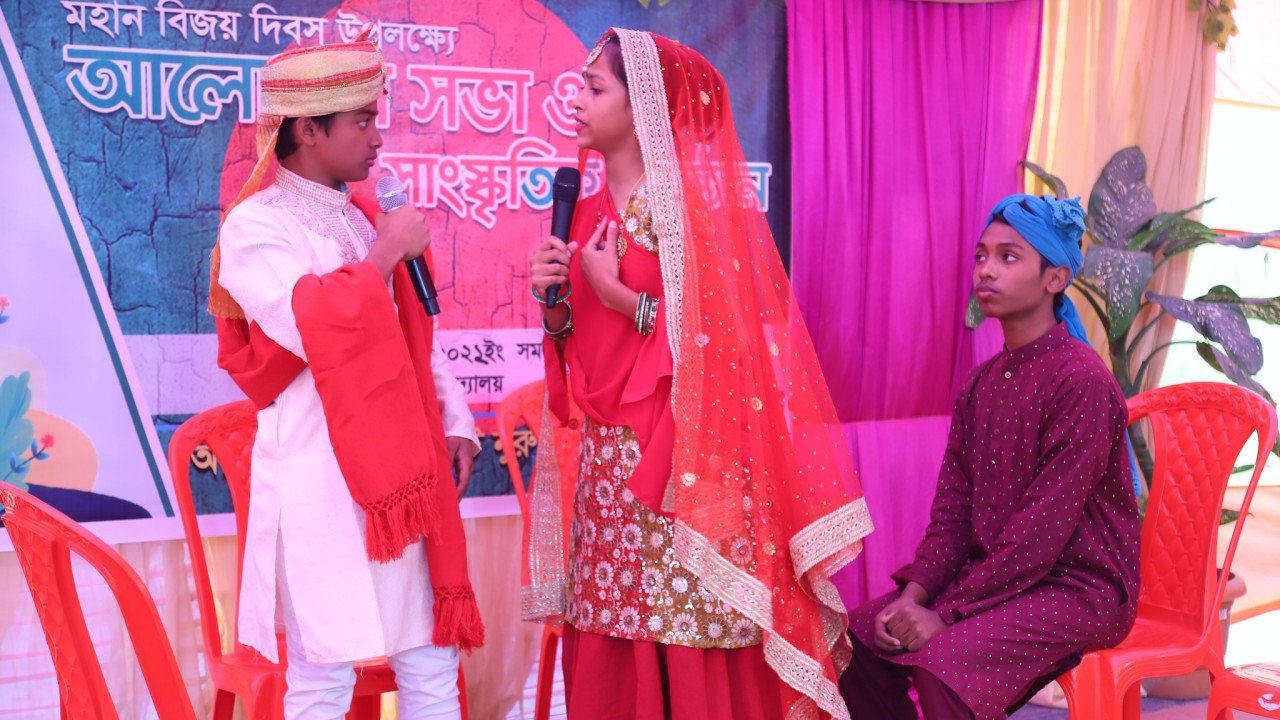
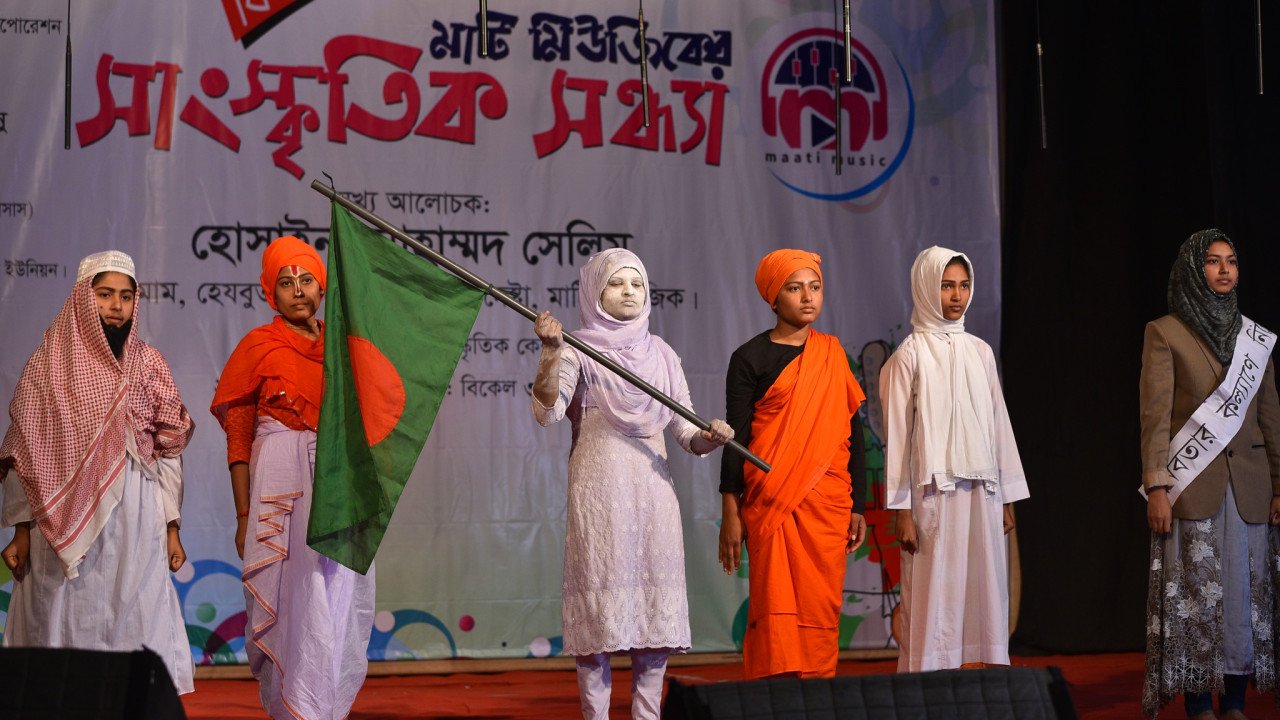
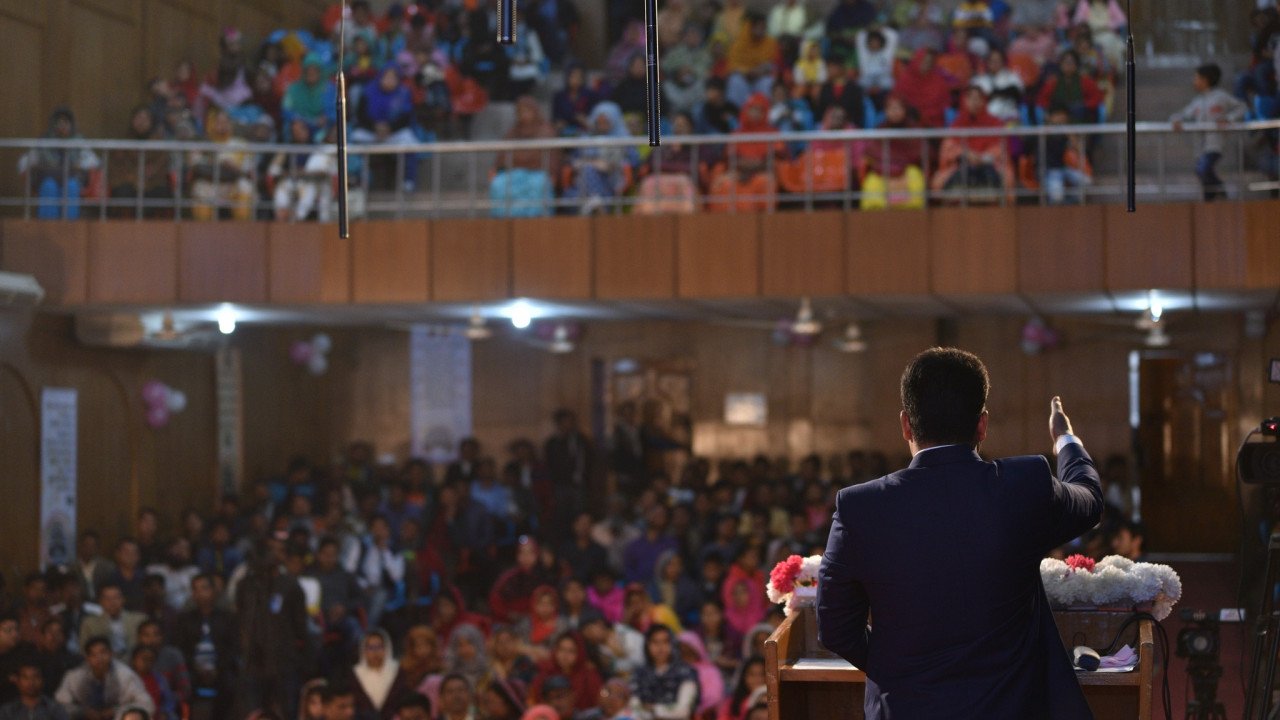
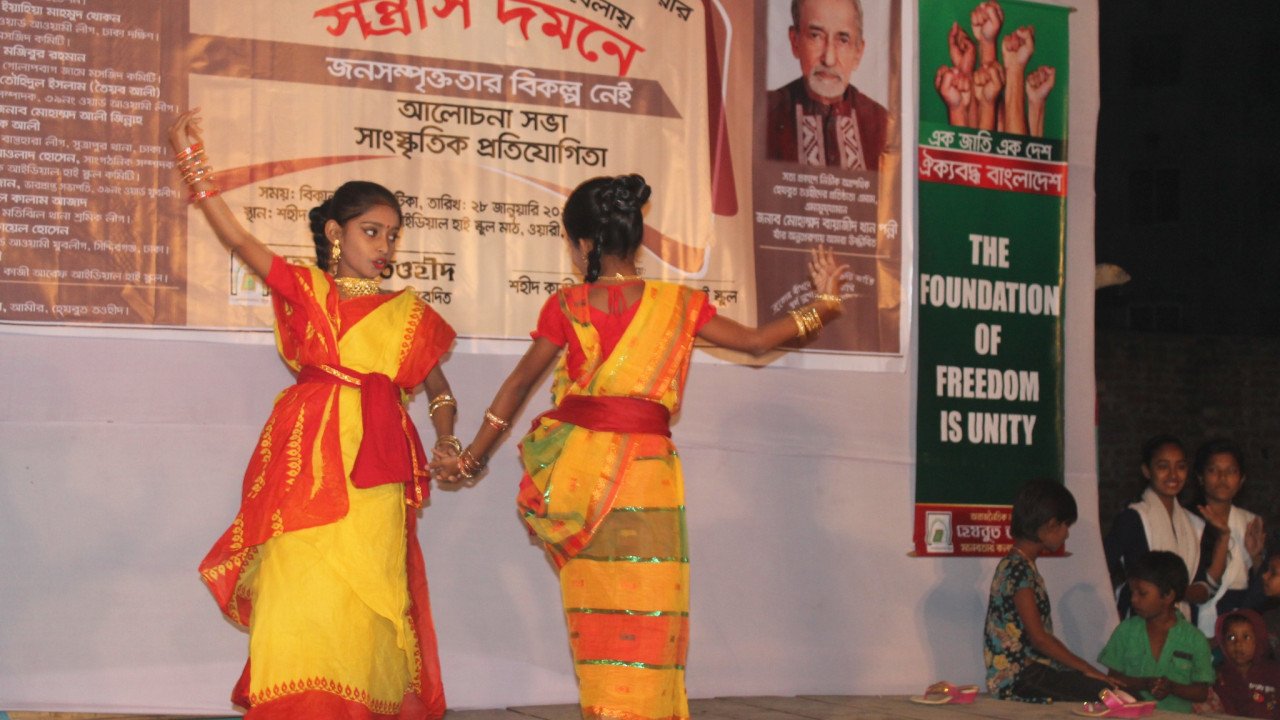
Correcting the Narrative on Art and Faith
Misconceptions and Extremist Actions: It is an established fatwa in our society that singing and playing musical instruments are haram (forbidden). Believing these false fatwas, extremist groups have repeatedly bombed various cultural events, destroyed sculptures, burned down music academies, and harassed folk singers. Many cultural workers are also confused, thinking they are sinning.
Islamic Perspective on Music: According to Islamic principles, what Allah has not forbidden is halal. There is no clear verse in the Quran that indicates the illegality of music. Allah has only set principles against immorality, sin, and oppression (Surah Al-A'raf 33). Therefore, a song with no obscene lyrics or indecent presentation has no reason to be considered haram. On the contrary, if a song awakens people against injustice, it can be a righteous act.
Historical Examples from Islam: The Messenger of Allah (PBUH) himself listened to music. When Abu Bakr (RA) reprimanded girls singing in his house, the Prophet said, "Abu Bakr, let them do their work" (Sahih Bukhari, 987). He encouraged music at weddings and even allowed a companion to fulfill a vow to play the daf for him after a battle. He himself sang a work song ("Rajaz") during the construction of his mosque.
Embracing Healthy Cultural Activities: Neither Allah nor His Messenger has declared music haram. Healthy cultural activities awaken human conscience and inspire good deeds. Hezbut Tawheed encourages the practice of modest and pure culture. Its cultural wing, 'Maati Cultural Group,' has over 150 original songs and fights extremism through art. With the motto 'Let a new awakening come through the practice of culture,' we call upon all culturally-minded individuals to join us and use the weapon of culture to combat the crises faced by humanity.